What Is A Passing Place on a single track road
What Exactly Is a Passing Place?
What Exactly Is a Passing Place? A Straight-Talking Guide for Britain’s Narrow Roads
If you’ve ever ventured down one of Britain’s single-track roads — the sort that snake through the Highlands, hug the Welsh hillsides, or cut across rural Dartmoor — you’ll know they have a charm all of their own. They also have their own etiquette, traditions and unwritten rules. And right at the heart of that long-standing motoring culture sits the humble passing place.
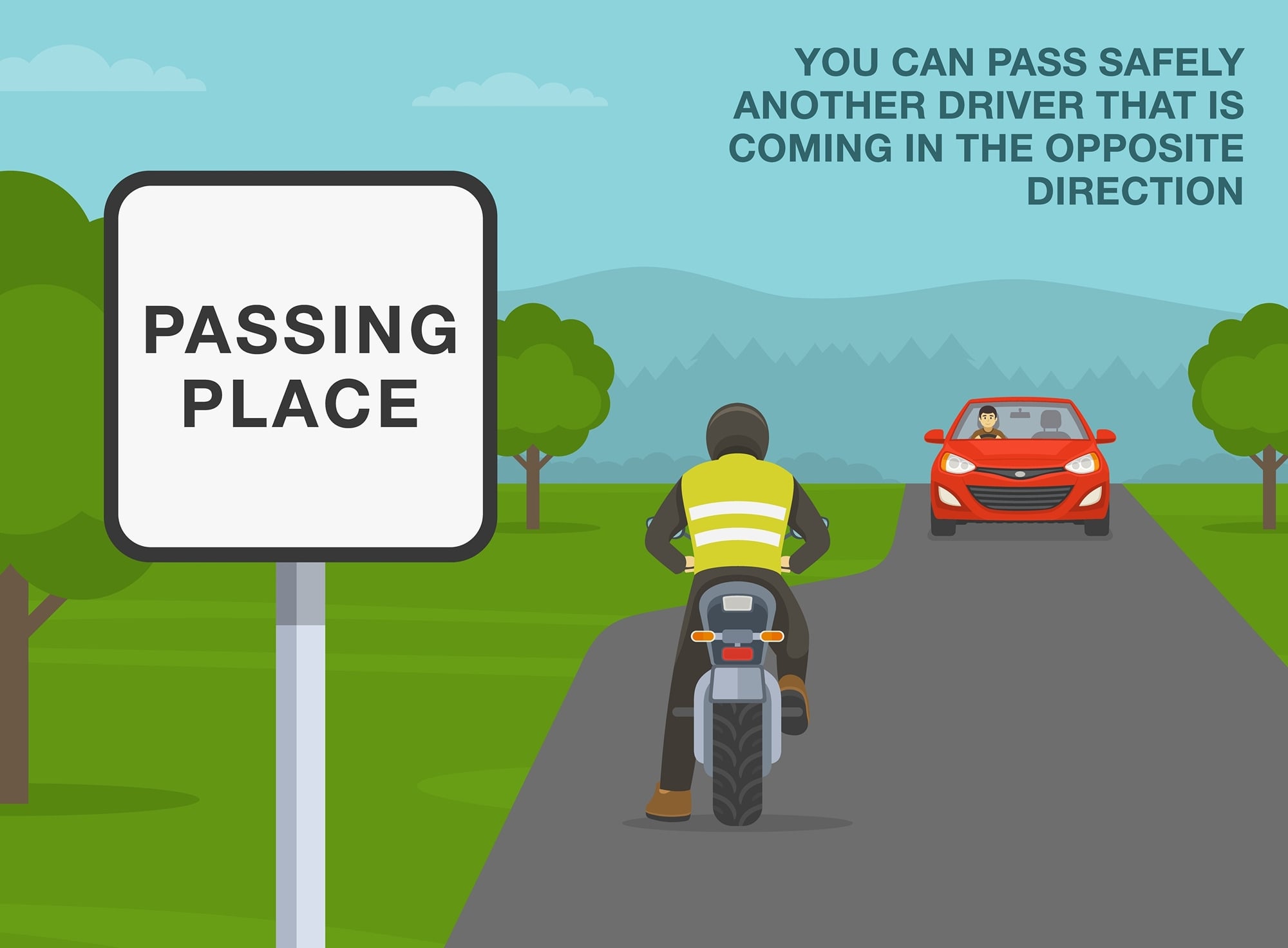
What Is a Passing Place?


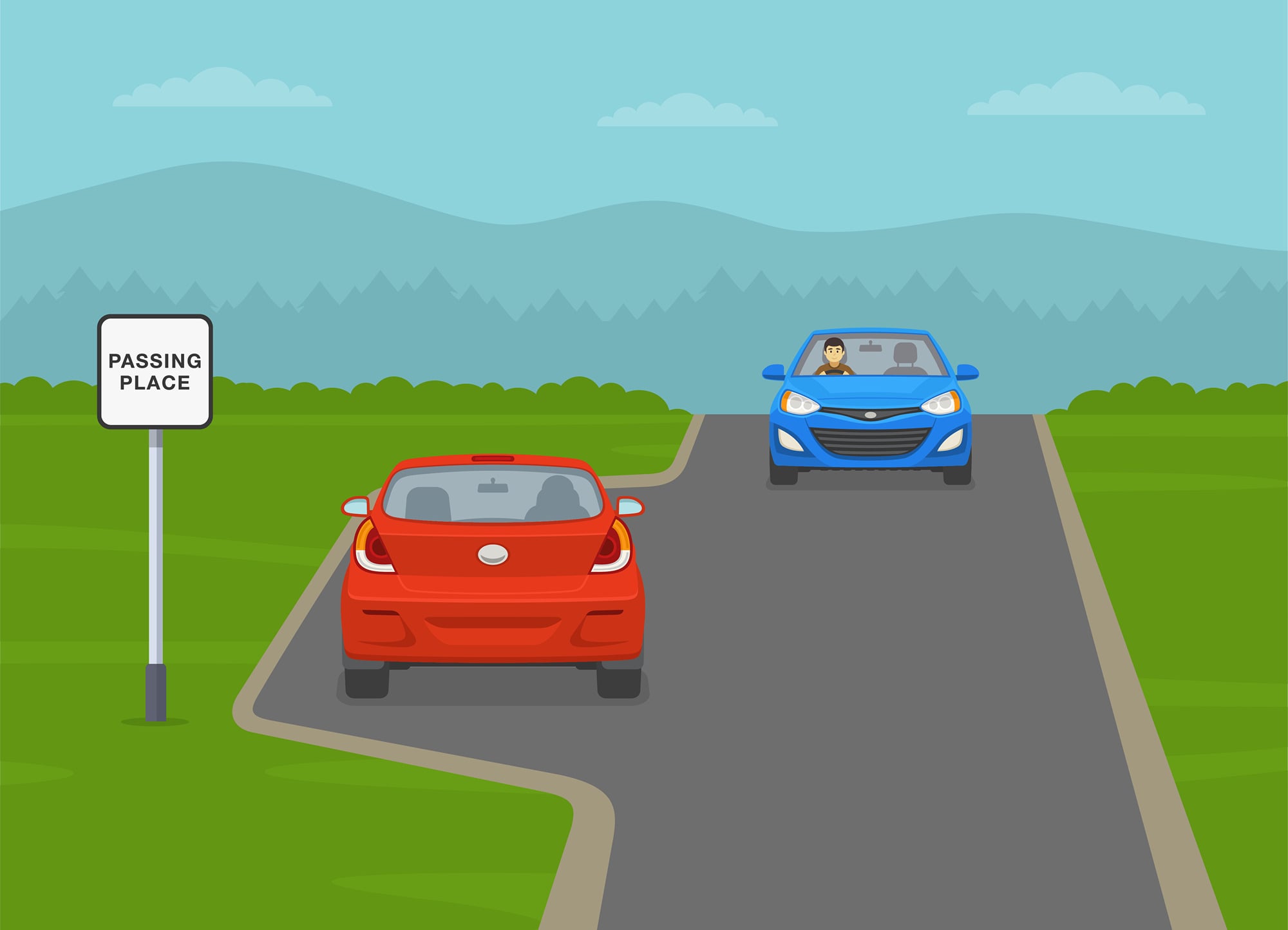
Passing Place
Simple, understated, and often signposted by nothing more than a square plate on a post, passing places are one of the most beautifully British answers to a practical motoring challenge. They’re designed for courtesy, cooperation, and keeping the flow of traffic moving — values that have shaped our roads since long before sat-navs and sensors took over the conversation.
Let’s break down what a passing place is, how it works, and why using it properly is such an important part of respectful driving in the UK.
A Passing Place: The Basics
A Passing Place: The Basics
A passing place is a designated space on a narrow single-track road that allows vehicles to pass each other safely. These roads are too narrow for two cars to squeeze by side-by-side, so passing places act as little lay-bys — though much smaller — spaced at regular intervals to let traffic meet and move on without conflict. You’ll usually spot them by:
A white square sign with black text reading PASSING PLACE
A simple square post without wording (common in Scotland)
A widened section of road, gravel-edged bay, or surfaced inset
They’re part of the fabric of rural UK driving and absolutely vital on tourist-heavy routes where unfamiliar drivers often hesitate or stop in awkward spots. Use them properly and you’ll ease tension, avoid jams and help maintain the rhythm of the road.
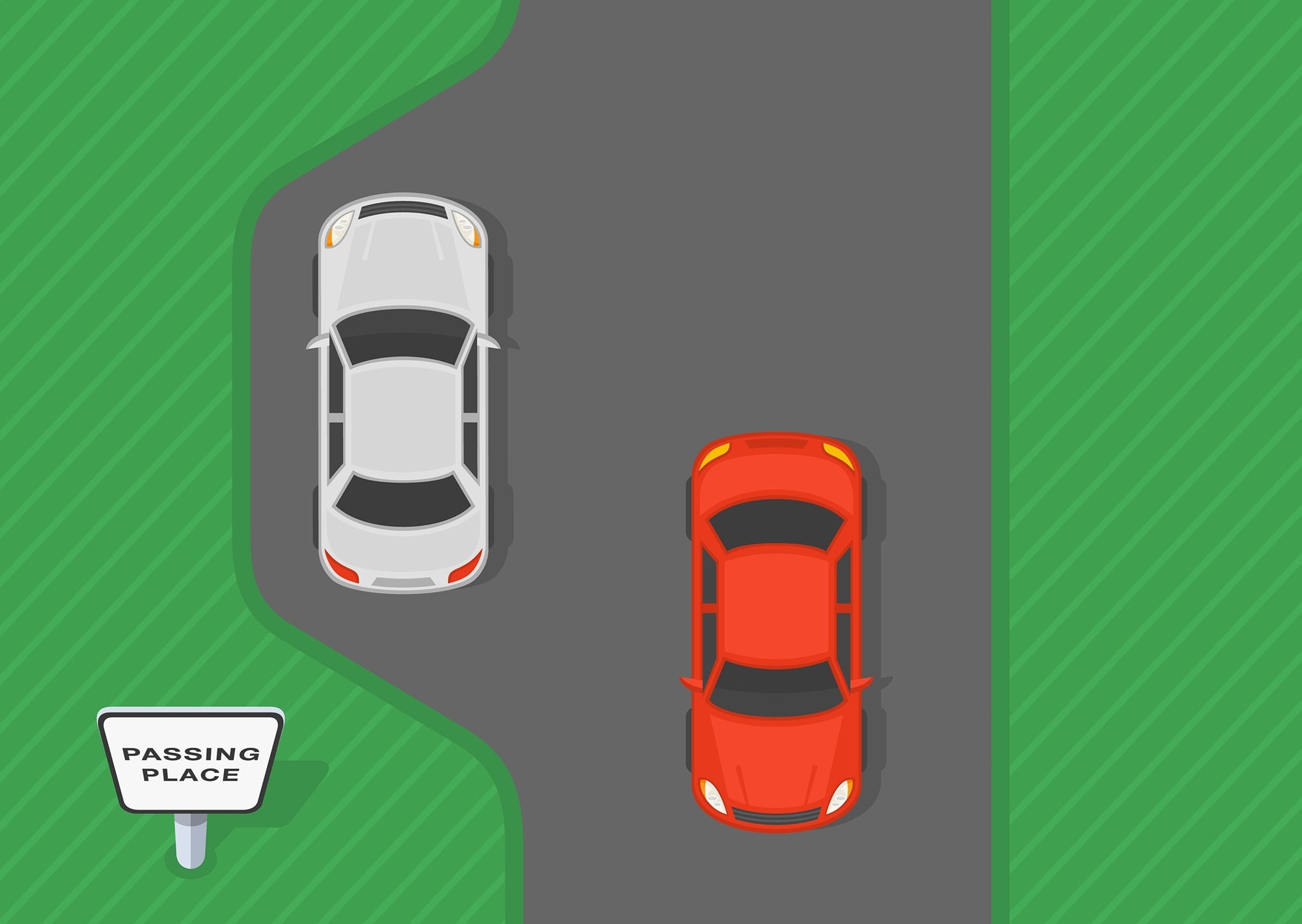
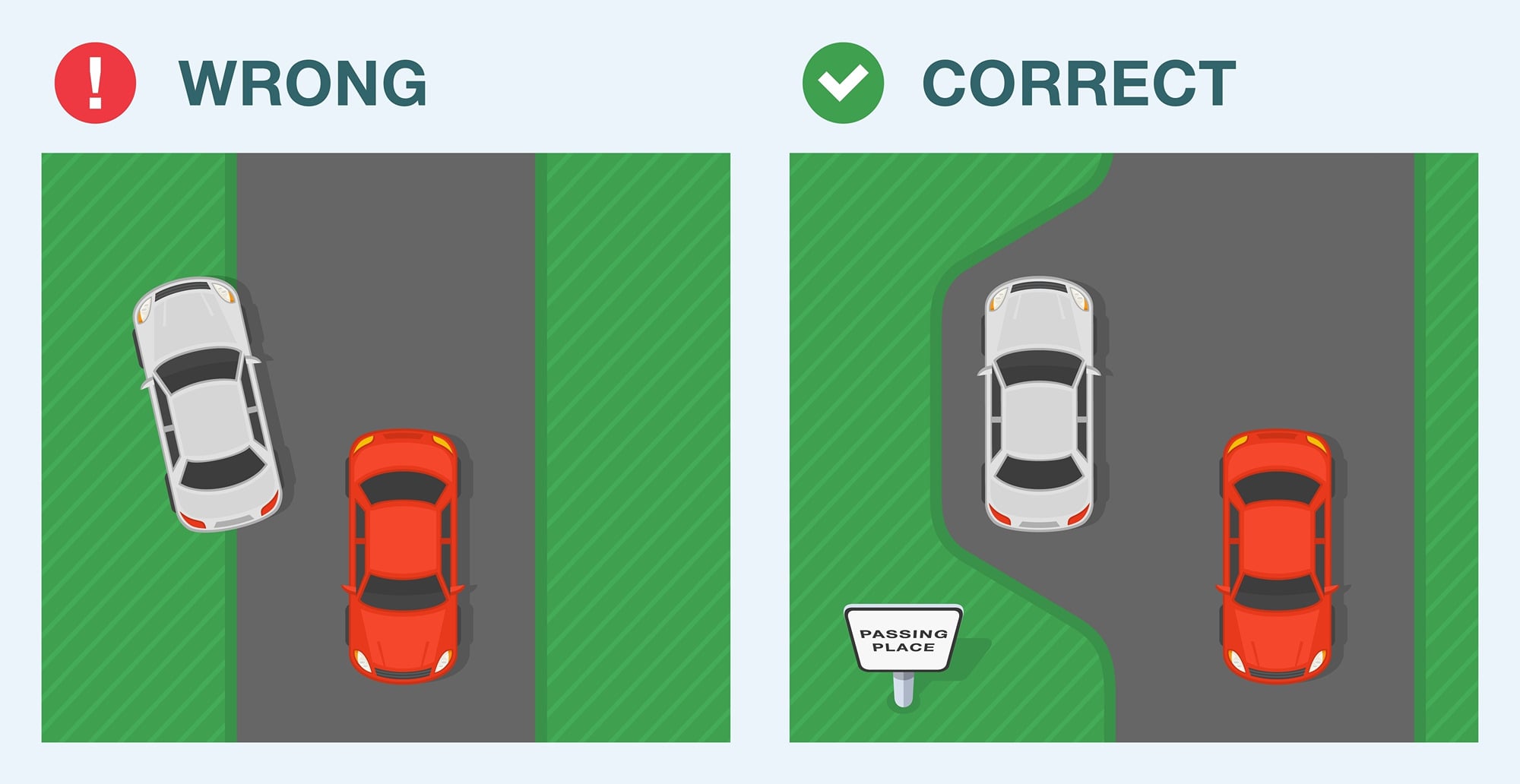
How Passing Places Work
How Passing Places Work
Although passing places are straightforward, the way you use them is rooted in long-established road manners:
1. Give Way When It’s Sensible
If another vehicle is approaching and there’s a passing place closer to you, pull into it. If it’s closer to them, they should pull in. It’s a simple, almost time-honoured courtesy that keeps everything rolling smoothly.
Passing Places On Single Track Road
2. Use Them for Overtaking, Too
If you’re holding up traffic — perhaps you’re enjoying the scenery or driving cautiously on a single-track — pull into a passing place and let faster vehicles by. It's not just considerate; it’s a reflection of the quiet roadcraft that UK driving has prized for generations.
3. Don’t Abuse Them
Passing places are not parking spots and never have been. Stopping for a picnic or abandoning your car there because the view is lovely is a surefire way to cause chaos. These spaces are functional — keep them clear.
Passing Place Reminder
4. Say Thank You
A raised hand, a quick flash of the headlights, or a friendly nod — acknowledging another driver’s courtesy is part of the ritual. It’s a small gesture, yet it keeps the tradition of mutual respect alive.
Why Passing Places Matter Today More Than Ever
Why Passing Places Matter Today More Than Ever
Rural roads haven’t widened much in the last century, but traffic certainly has. Motorhomes, cyclists, delivery vans, and tourists all share the same narrow strips of tarmac. Passing places keep the peace.
They:
Prevent gridlock on scenic, remote routes
Reduce the likelihood of reversing long distances
Protect road verges from vehicles squeezing off the tarmac
Encourage responsible, community-minded driving
In an age when many drivers rely on tech to guide their decisions, passing places remind us that sometimes common sense and courtesy are still the best tools we have.
Passing Places on Single Roads
Passing places are one of those uniquely British solutions that blend practicality with good old-fashioned road manners. They ask very little of us — just awareness, patience, and a nod to long-standing driving etiquette — yet they give us safer, smoother journeys in return.
So the next time you’re meandering along a single-track road, treat passing places with the respect they deserve. Use them wisely, acknowledge others generously, and enjoy the kind of motoring experience that connects us with the past while keeping the wheels turning today.