Motorway Reflectice Stud Colours
Motorway Stud Colours What they mean
Let's talk about one of those little details on our motorways that you might see every day but perhaps don't give a second thought to: the motorway stud colours. For UK learner drivers, understanding these is crucial for your Theory Test and, more importantly, for keeping safe on the road.
These seemingly simple reflectors—often called 'cat's eyes'—are a brilliant piece of road safety engineering. They're not just scattered randomly; each colour has a specific, vital meaning. Get this down, and you'll be one step closer to passing your test!
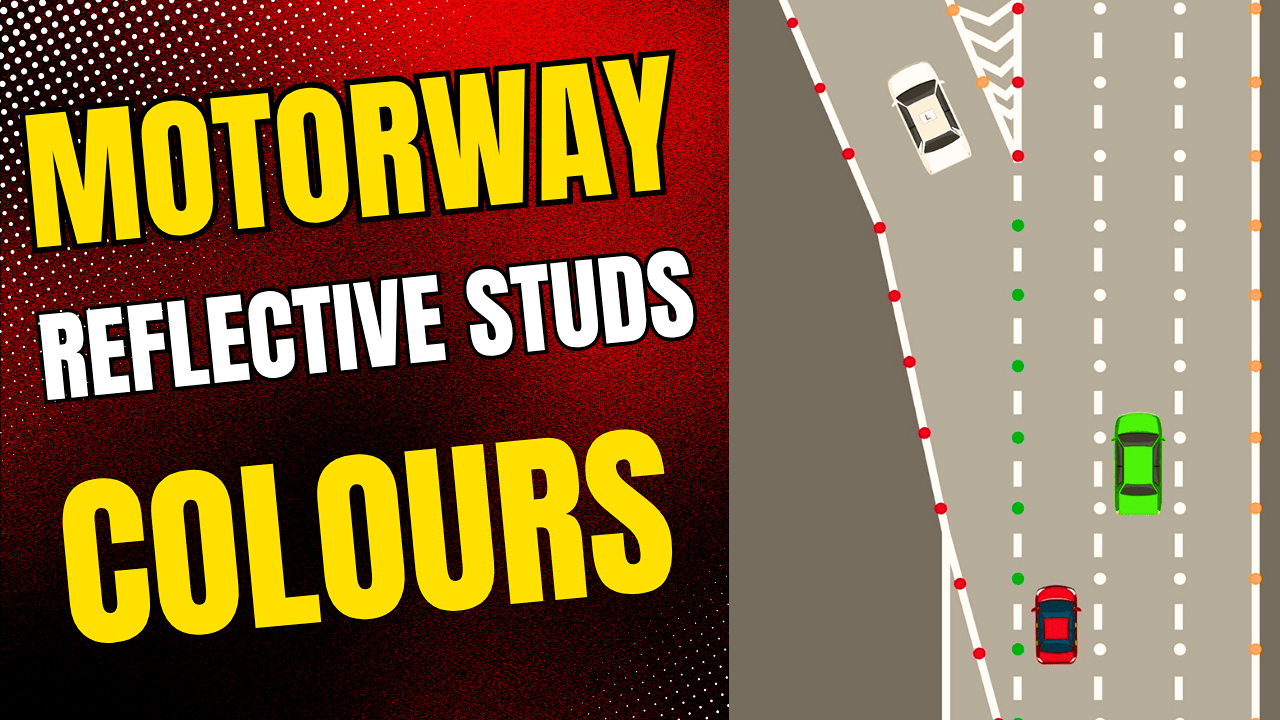
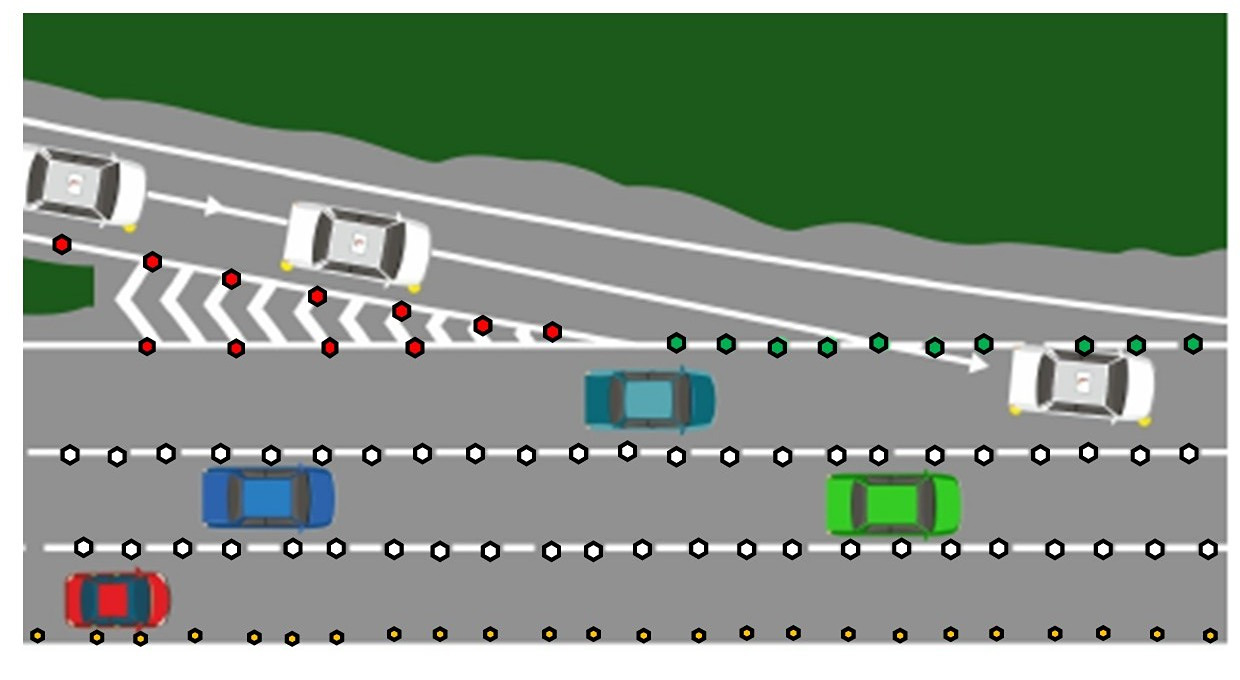
What motorway stud colours mean
The Motorway Rainbow: What Each Colour Means
On motorways, the reflective road studs are used to mark the edges of the carriageway, the center line, and, most importantly, the presence of junctions and slip roads. There are five main colours you need to know.
1. White Studs: Separating Normal Traffic
Where you find them: Between lanes of traffic going in the same direction.
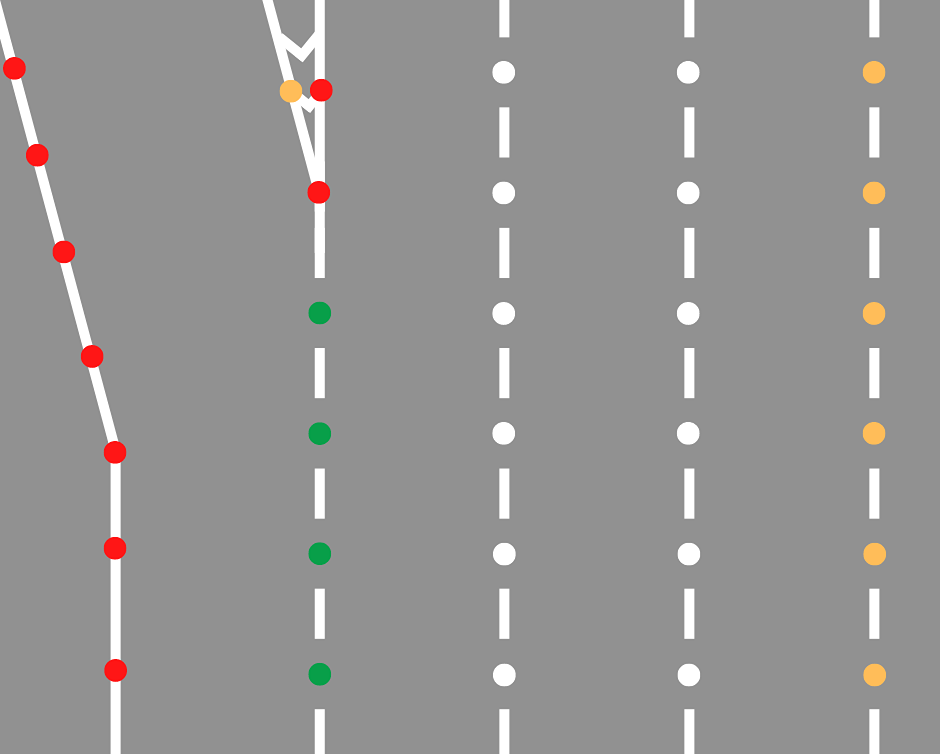
RED and Amber Motorway Studs
2. Red Studs: Edge of the Carriageway (Left Side)
Where you find them: Along the left-hand edge of the road (the hard shoulder side).
3. Amber (or Yellow) Studs: Center Reservation (Right Side)
Where you find them: Along the right-hand edge of the road, next to the central reservation.
The meaning: These also mark the edge of the safe driving area, specifically where the oncoming traffic is separated by the barrier.
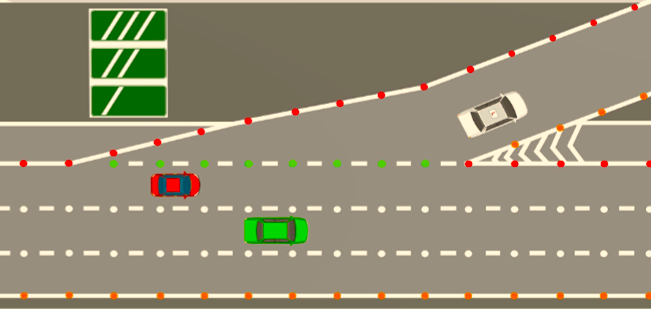
Green Motorway Studs
4. Green Studs: Junctions and Slip Roads
Where you find them: Where the main motorway carriageway meets a slip road (at exits and entrances).
The meaning: These act as a warning! They indicate that a slip road or lay-by is joining or leaving the main road. If you're approaching an exit, you'll see a run of green studs.
Motorway Reflective Stud Colours
Theory Test Tip: Think "Colour-Coded Safety"
For your theory test, the key is to associate the colour with the location. A quick way to remember the main ones is to think about the edges:
WhiteSeparates lanes (same direction)
RedLeft edge (Hard Shoulder side)
AmberRight edge (Central Reservation side)
GreenJunctions/Slip Roads
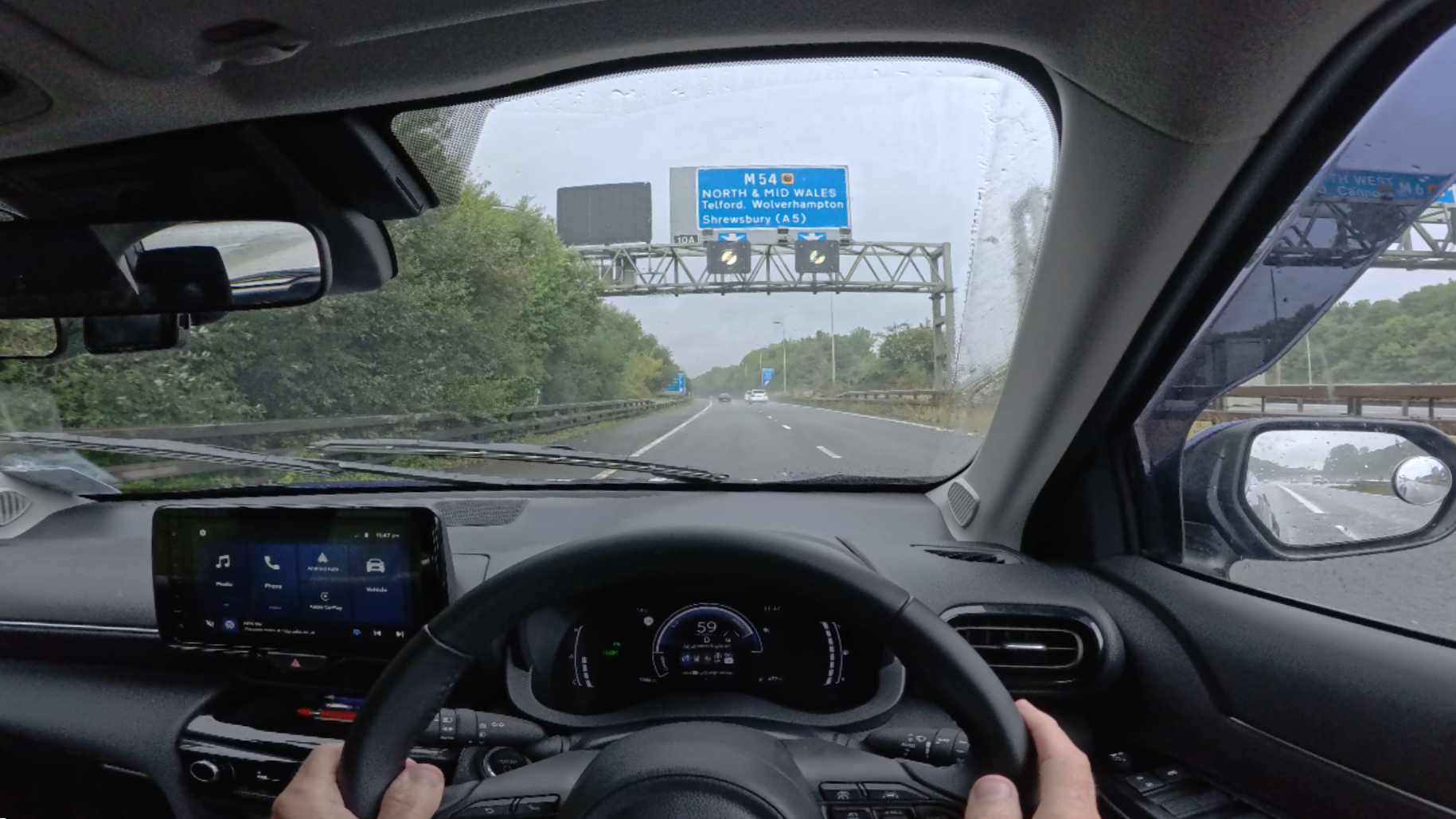
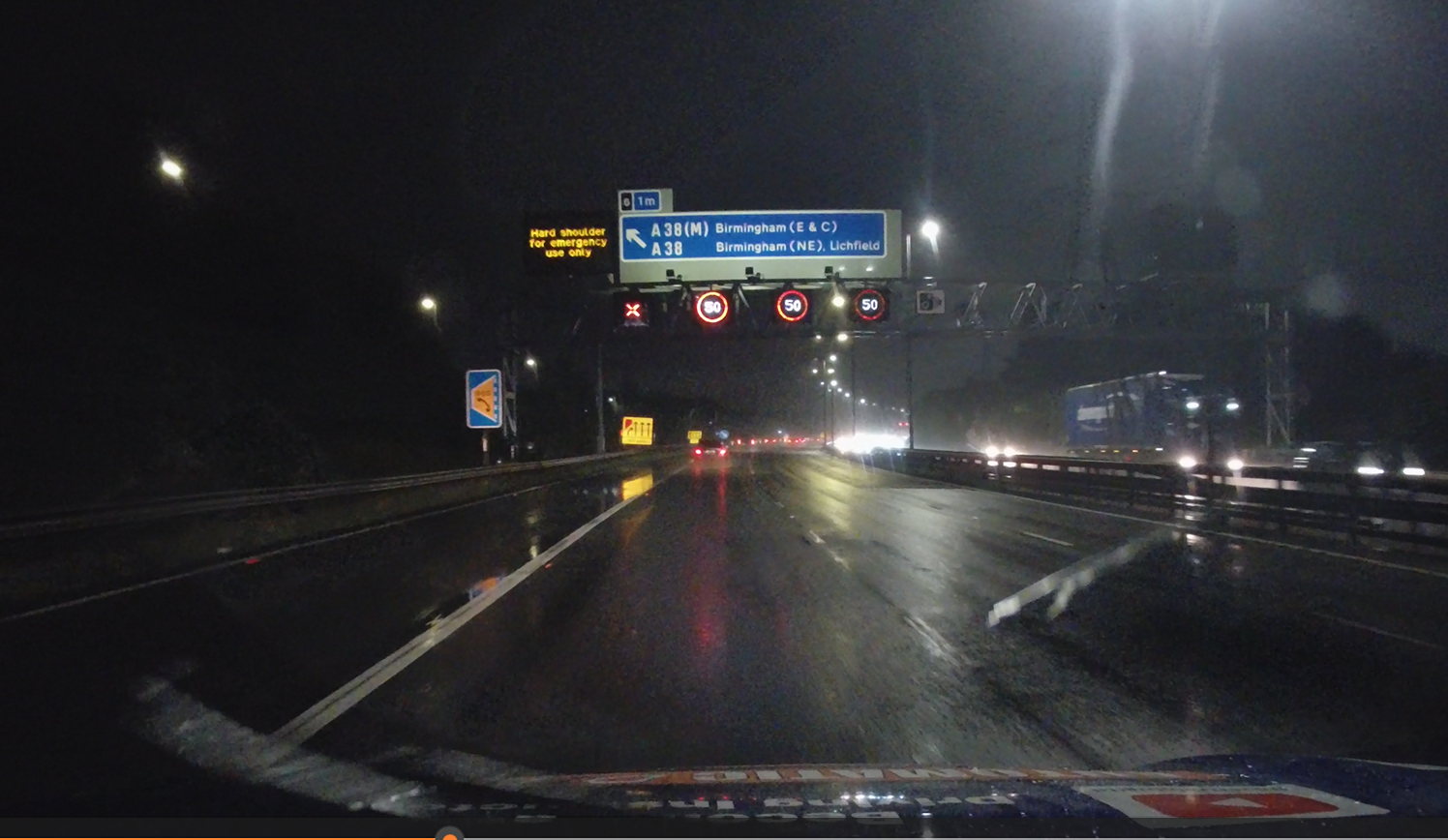
Theory Test Tip: Think "Colour-Coded Safety"
Theory Test Tip: Think "Colour-Coded Safety"
Mastering this simple colour-coding system doesn't just score you points on the test; it makes you a much more aware and safer driver when you finally hit the fast lane. The studs are a vital navigation aid, especially in poor visibility like heavy rain or fog.
So, the next time you're a passenger on a motorway, take a moment to look down. You'll realise you're surrounded by a clever, silent safety system designed to keep us all on the right path!
Motorway Stud Colours Practice Questions
Practice Questions
Question 1 What is the purpose of the white reflective studs on a UK motorway?
A. To mark the left-hand edge of the carriageway, next to the hard shoulder. B. To separate traffic lanes traveling in the same direction. C. To indicate a service area or lay-by is ahead. D. To mark the central reservation and the right-hand edge of the road.
Correct Answer: B. To separate traffic lanes traveling in the same direction.
You are driving on a UK motorway at night. If you see red reflective studs on your left-hand side, what do they indicate?
Answer Options A. That a motorway exit is approaching. B. The boundary between the lanes and the hard shoulder. C. An emergency crossing point for maintenance vehicles. D. The dividing line between your carriageway and oncoming traffic.
Correct Answer: B. The boundary between the lanes and the hard shoulder.
Question 3 Which colour reflective studs are used to mark the separation between the main motorway carriageway and a slip road?
Answer Options A. Blue B. Amber (Yellow) C. Green D. Red
Correct Answer: C. Green
Question 4 When driving next to the central reservation on a UK motorway, which colour reflective studs will you see marking the right-hand edge of the carriageway?
Answer Options A. White B. Green C. Amber (Yellow) D. Red
Correct Answer: C. Amber (Yellow)