Expert Guide To Mini and Double mini roundabouts
SEE THE VIDEO ON YOUTUBE - Courses www.adionline.co.uk - Books www.drivertrainingltd.com

Are You teaching mini roundabouts wrong?
“If you’re teaching mini roundabouts using the clock face method…
you’re setting your pupil up to fail
“And when we get to double mini roundabouts…
that mistake gets even worse.”
On the ADI Part 3 one of the biggest mistakes trainees make is telling pupils we are going to go and work on roundabouts, then picking a route that includes normal and mini roundabouts or even worse normal, mini and spiral roundabouts.
But all 3 involve completely different ways of dealing with them - so if you are taking a pupil thats struggling you are heading for a fail!
So lets break down why mini roundabouts are different!
Why Mini Roundabouts are different
WHY THE CLOCK FACE METHOD DOESN’T WORK
“On a normal roundabout, you’ve got structure:
Clock face
Danger zones
Predictable flow
But on a mini roundabout — that breaks down.”
Why?
Vehicles can turn before the roundabout
Vehicles can go straight across the roundabout
There is no consistent circular movement
Drivers often treat it like a junction or a crossroads
So: “Wait until 7 o’clock…” Doesn’t work here.
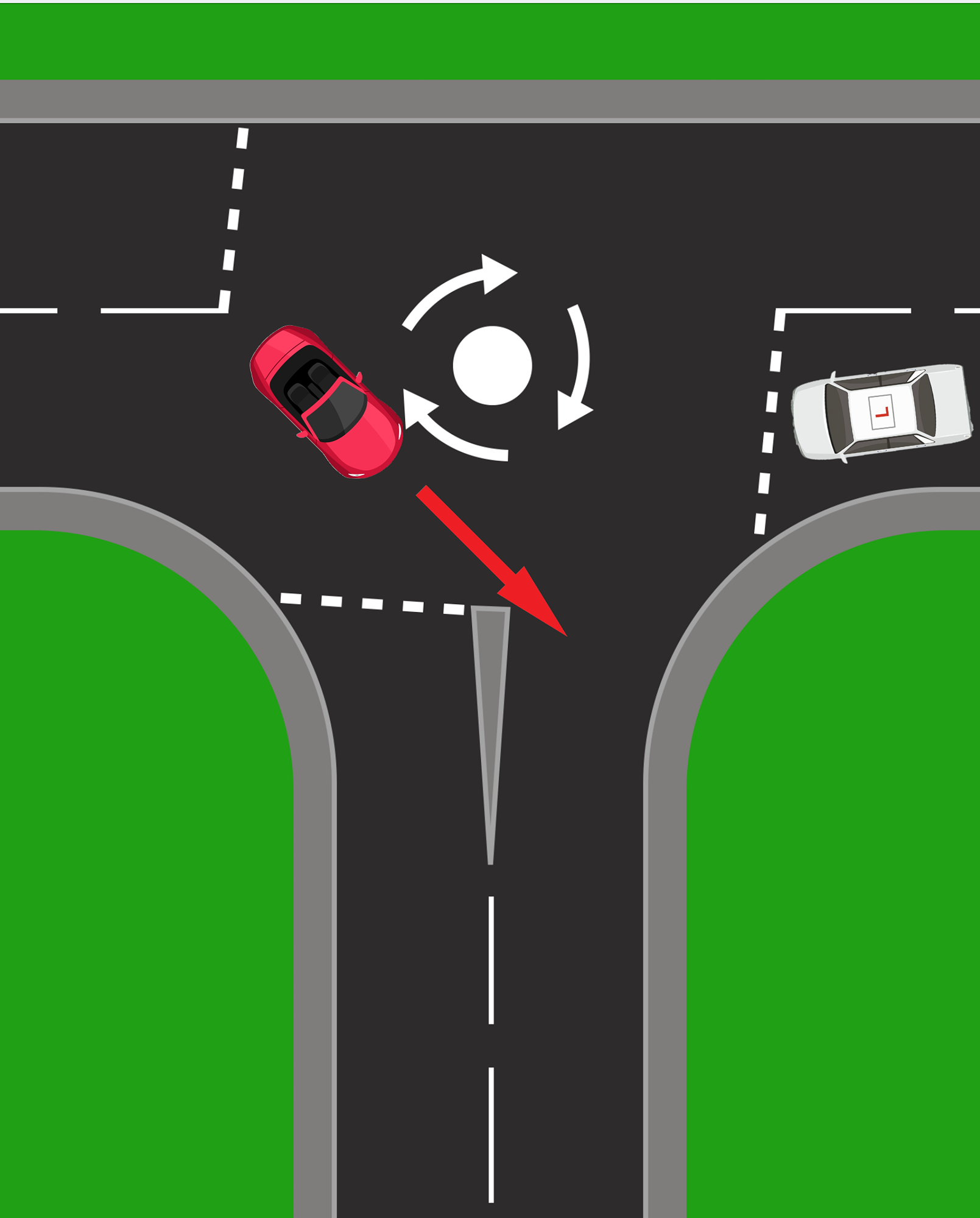
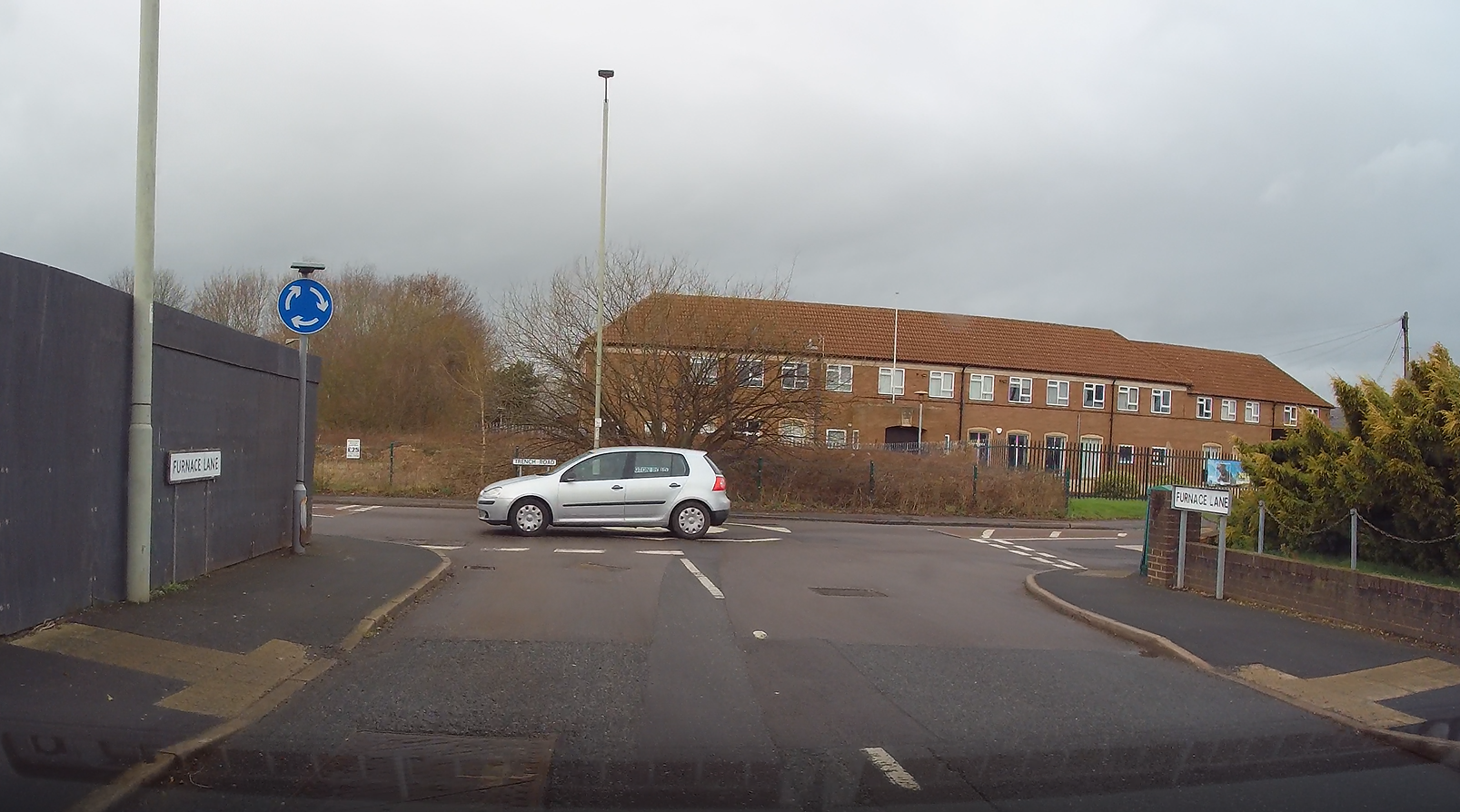
MINI ROUNDABOUTS ARE HIGHER RISK
MINI ROUNDABOUTS ARE HIGHER RISK
Traffic is closer
Less time to react
Faster decisions
More unpredictable behaviour
Mini roundabouts carry a higher level of risk because everything happens closer, quicker, and with less predictability. The reduced size of the junction means approaching traffic is much nearer to you, particularly from the right and directly ahead, so hazards develop earlier and give you far less time to assess and respond.
“Risk develops earlier and closer to the vehicle.”
Teaching Mini Roundabouts Correctly
IDENTIFICATION
“Good lesson planning starts before arrival.”
Sometimes there may be a normal triangular roundabout sign before you see the blue circle
Teach pupils to spot:
Blue roundabout sign
Triangle Warning Sign
White painted circle
Give way lines
Junction layout
Coaching:
“What tells you this is a roundabout before you arrive?”
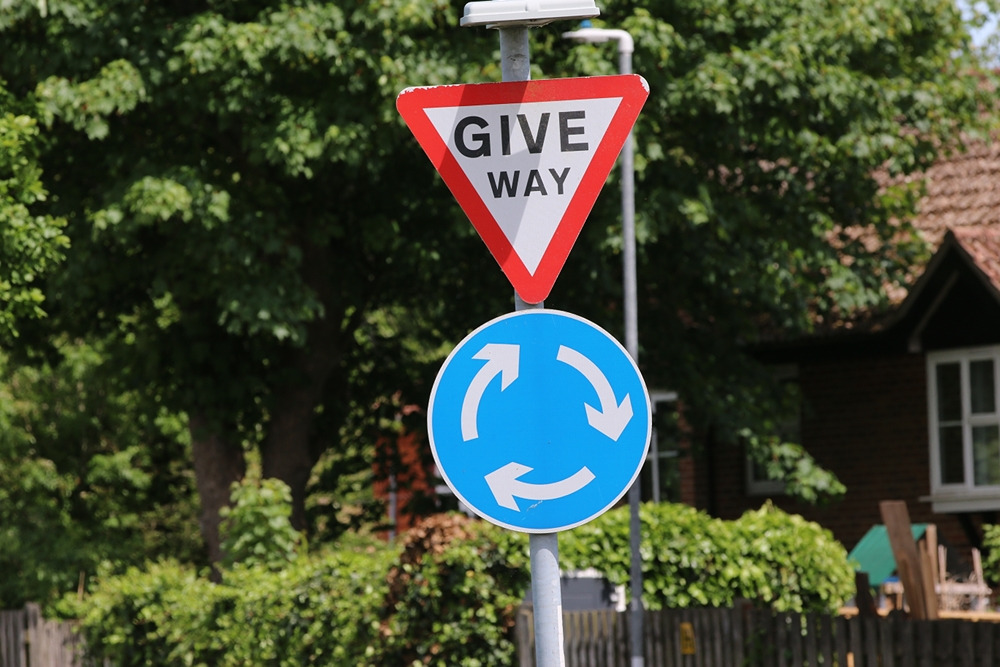
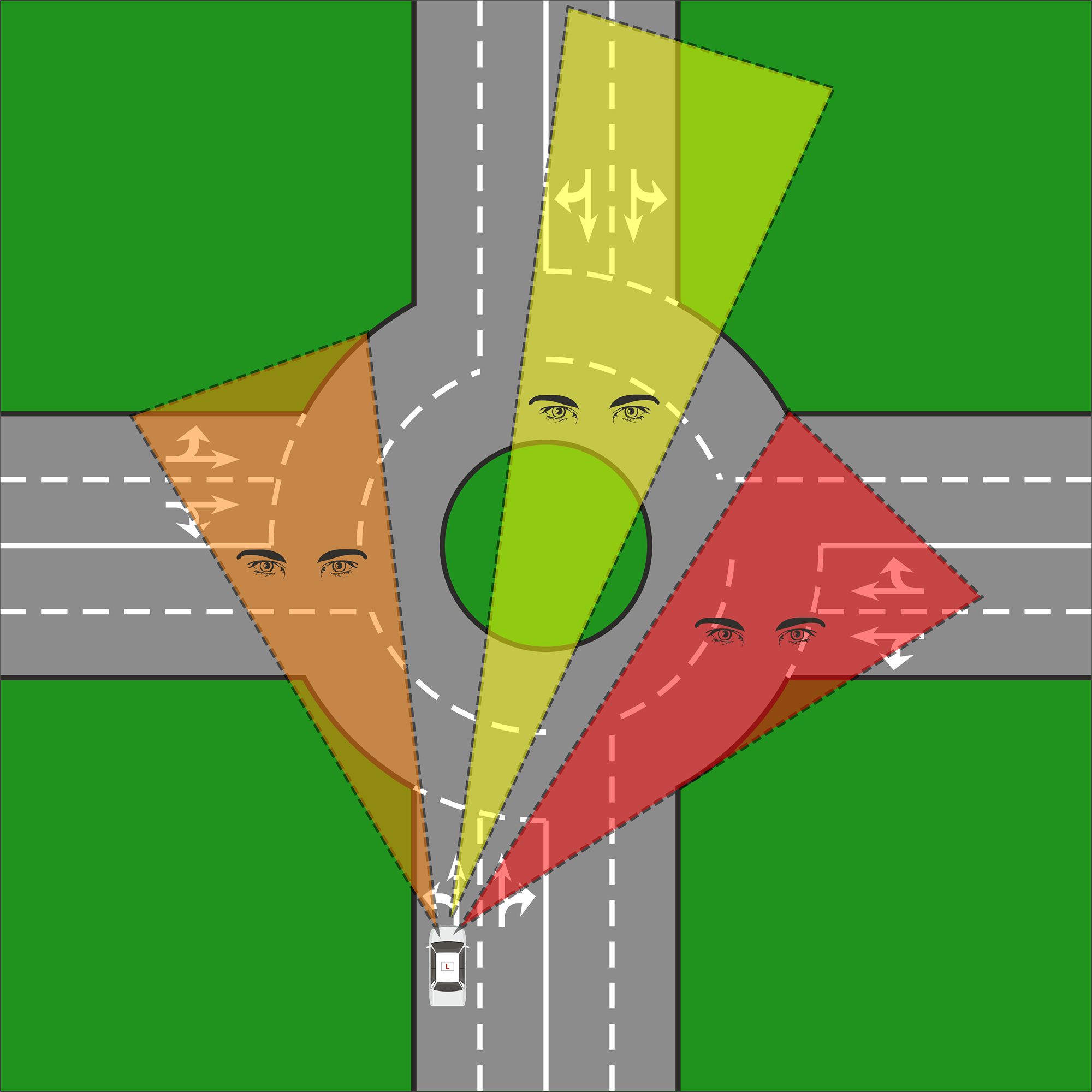
Observations at Mini Roundabouts
OBSERVATIONS
Right → Ahead → Left → Ahead → Right
Why observations matter even more on mini roundabouts
Mini roundabouts might be small—but they demand more observation, not less.
Because:
The junction is tighter
Traffic is closer
Your view is often restricted by buildings, parked cars, or hedges
That means hazards can appear later and closer to you
Correct observation routine
Even on a mini roundabout, the observation pattern should still be:
Right → Ahead → Left → Ahead → Right
Why Observations are Important
Why this is so important on mini roundabouts
1. Right (Priority check)
Traffic from the right still has priority
But it will appear closer and faster
2. Ahead (Hidden risk)
Vehicles opposite may:
Go straight across
Turn right across your path
Hesitate or move late
3. Left (Additional awareness)
Can you see what's coming? - Hazard perception: what if oncoming vehicles don’t realise it's a roundabout?
Is it a closed junction?
Could there be vehicles parked or pedestrians?
If its a really tight turn need to go much slower to not cross centre line of new road
But important if:
It’s a multi-lane approach
A vehicle is moving quickly
A larger vehicle is approaching
4. Ahead again (Things change quickly)
What you saw a second ago may have changed
Vehicles may now be moving
5. Final Right check (Decision point)
This is the most important one
Before moving: Recheck the right Confirm it’s still safe
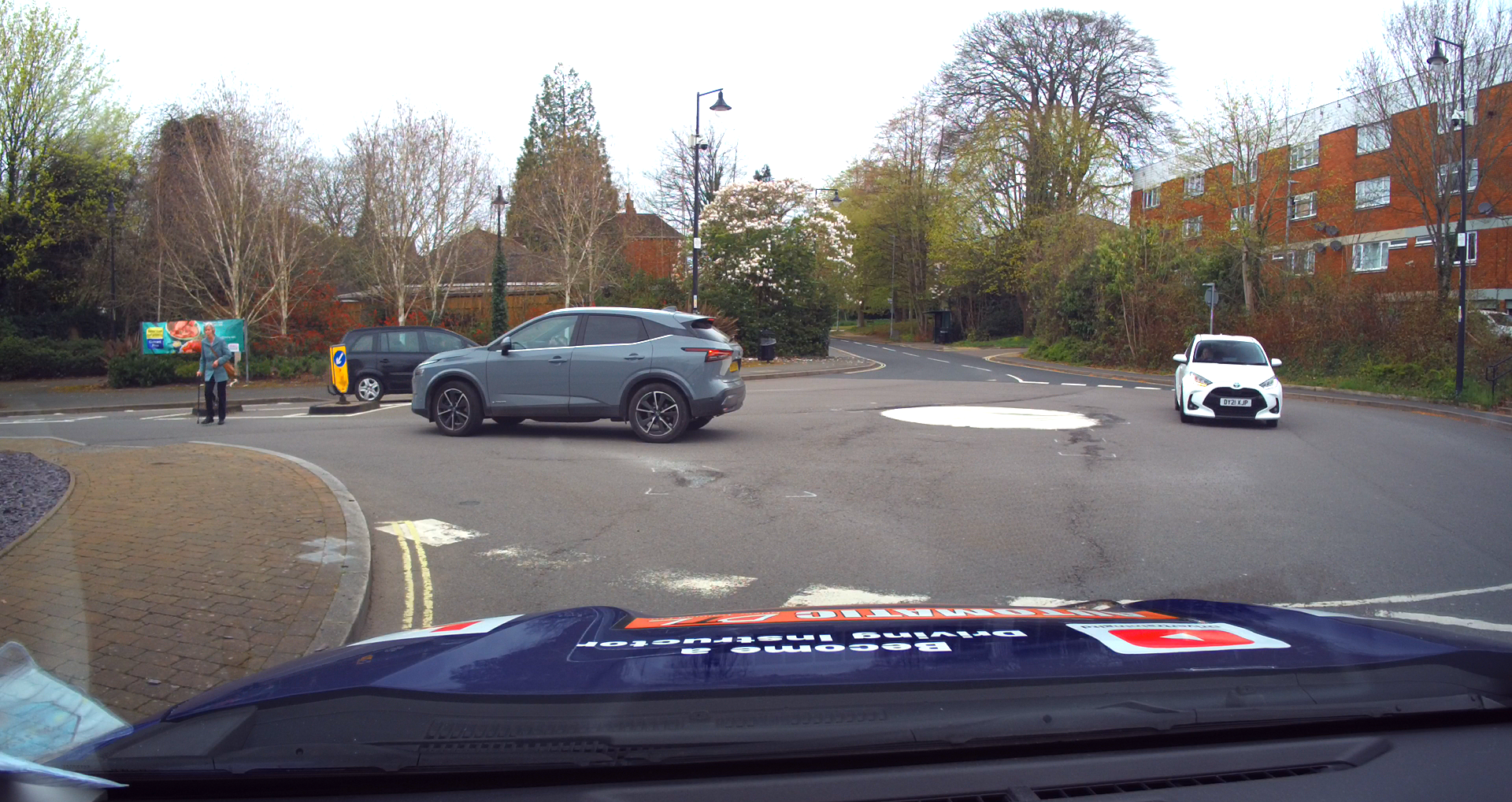
Why this matters more on mini roundabouts
Because of restricted view: You can’t rely on one look - You must build a picture quickly - You must update that picture constantly
Key teaching line:
“What you saw a second ago may not be true now.”
Common driver mistakes
Look right once
See a gap
Go
❌ Problem:
They haven’t checked: What’s ahead - What’s changed - Whether the gap is still safe
Simple way to explain it to a pupil“Don’t just look once — keep checking until you move.”
“Due to restricted visibility and reduced space on mini roundabouts, observations must be more frequent and continuous, following a right–ahead–left–ahead–right pattern to ensure the situation is still safe before proceeding.”
“Mini roundabouts aren’t quicker to deal with…”
“They require more thinking and better observation.”
Is the Mini Roundabout Open or Closed?
OPEN OR CLOSED JUNCTION
“Mini roundabouts can be more closed.”
Meaning:
Traffic from the right is much closer
Traffic from ahead is closer
Less time to react
“Because it’s smaller — everything happens faster.”
Position of Roundabout
POSITION OF THE ROUNDABOUT
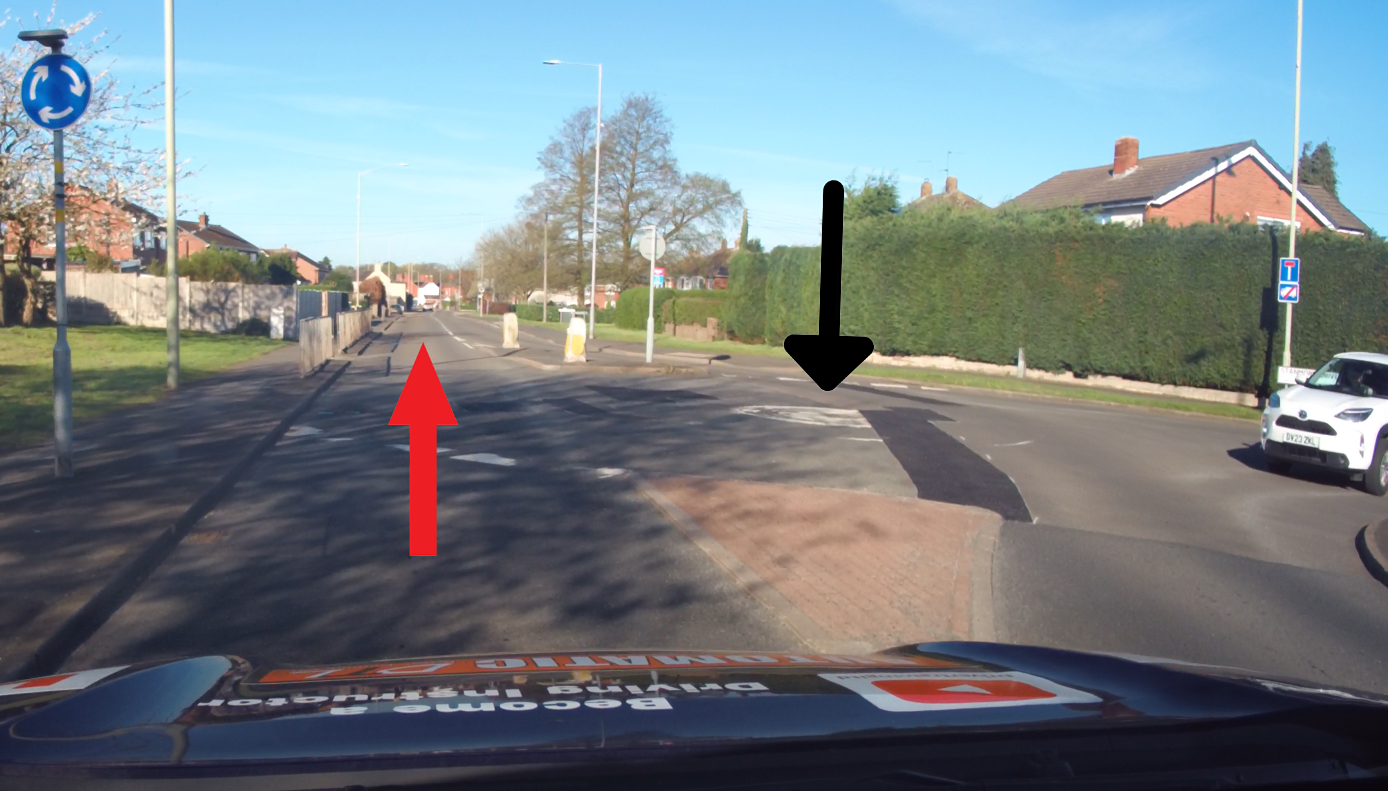
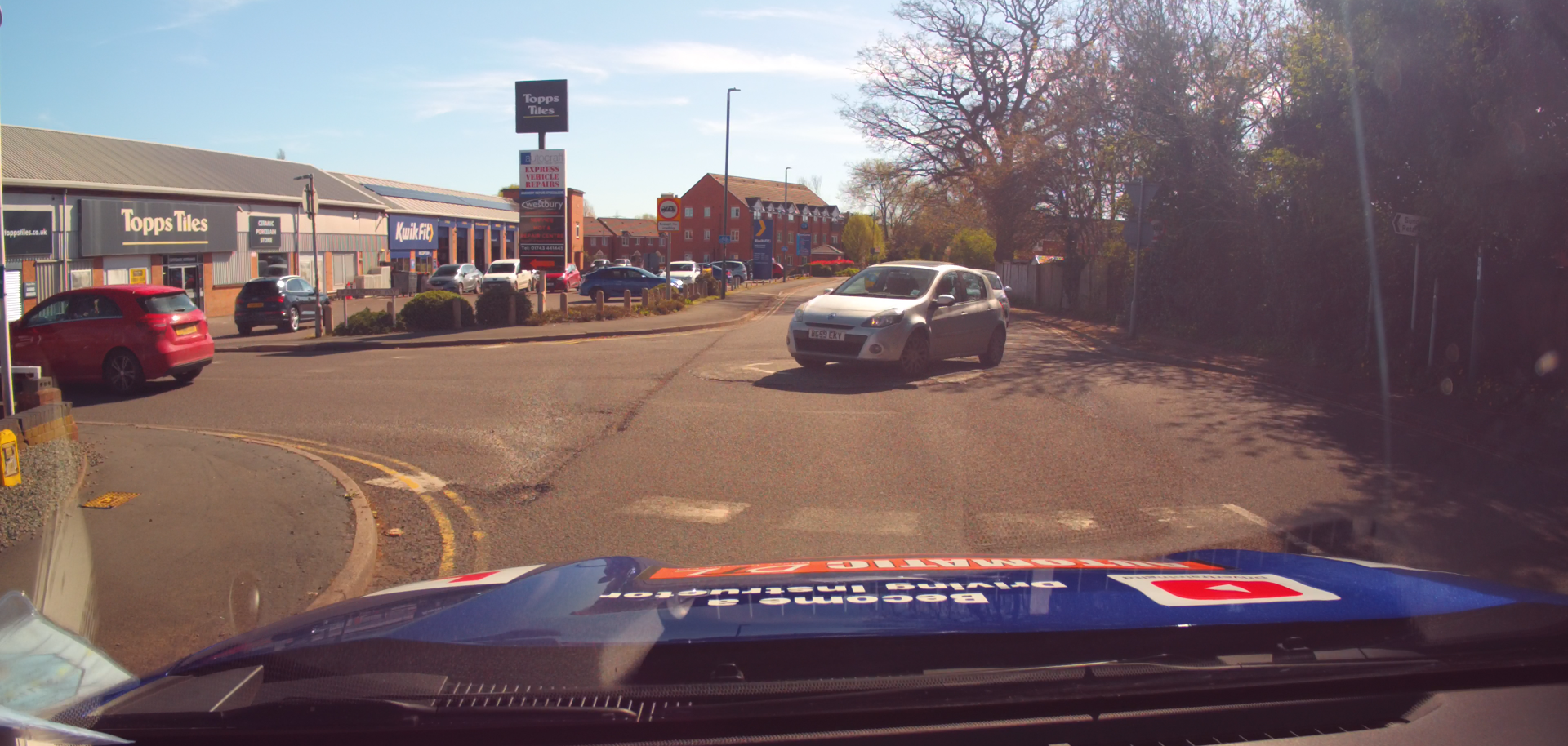
The position affects speed and control. This is where so many get mini roundabouts completely wrong - They fail to take into account the position of the mini rundabout.
If it is offset or slightly to the side, this means that you need very little or almost no steering or reduction of speed to go around it
Whereas if it is directly in front of you, you will need to go a lot slower and use a lot more steering
Offset → smoother, less steering
Direct → tighter, slower
Coaching line:
“More steering = less speed.”
Mini roundabouts deal with the vehicle first and the road second
VEHICLE FIRST, ROAD SECOND
VEHICLE FIRST, ROAD SECOND perhaps the biggest change when it comes to dealing with mini roundabouts is the fact we need to deal with the other vehicle first and then the road layout.
As we have already said on a normal roundabout the car opposite has to follow a set line, however on a mini roundabout, in theory it still should, in reality it very often doesn’t What does that actually mean?
Instead of thinking:
“It’s a roundabout, so that car should go around it…”
You think: “What is that car actually doing right now?”
Because on mini roundabouts especially, drivers:
Cut across before the roundabout
Go over the mini roundabout
Change direction late
Don’t always follow the expected path
Teach Pupils to Read the Car
Teach pupils to read the car step-by-step
1. Position → Where are they going?
Look at where the car is placed on the road.
With a normal roundabout this is a great way of predicting what the oncoming car is planning on doing, however on a single lane mini roundabout this becomes almost impossible as there is very little difference in the car position.
Two lanes on approach - If the mini roundabout has 2 lanes on approach then this makes it easier to determine if the car is going right as they should be in the right lane, however the danger is the right lane may be straight ahead too.
Speed on mini roundabout
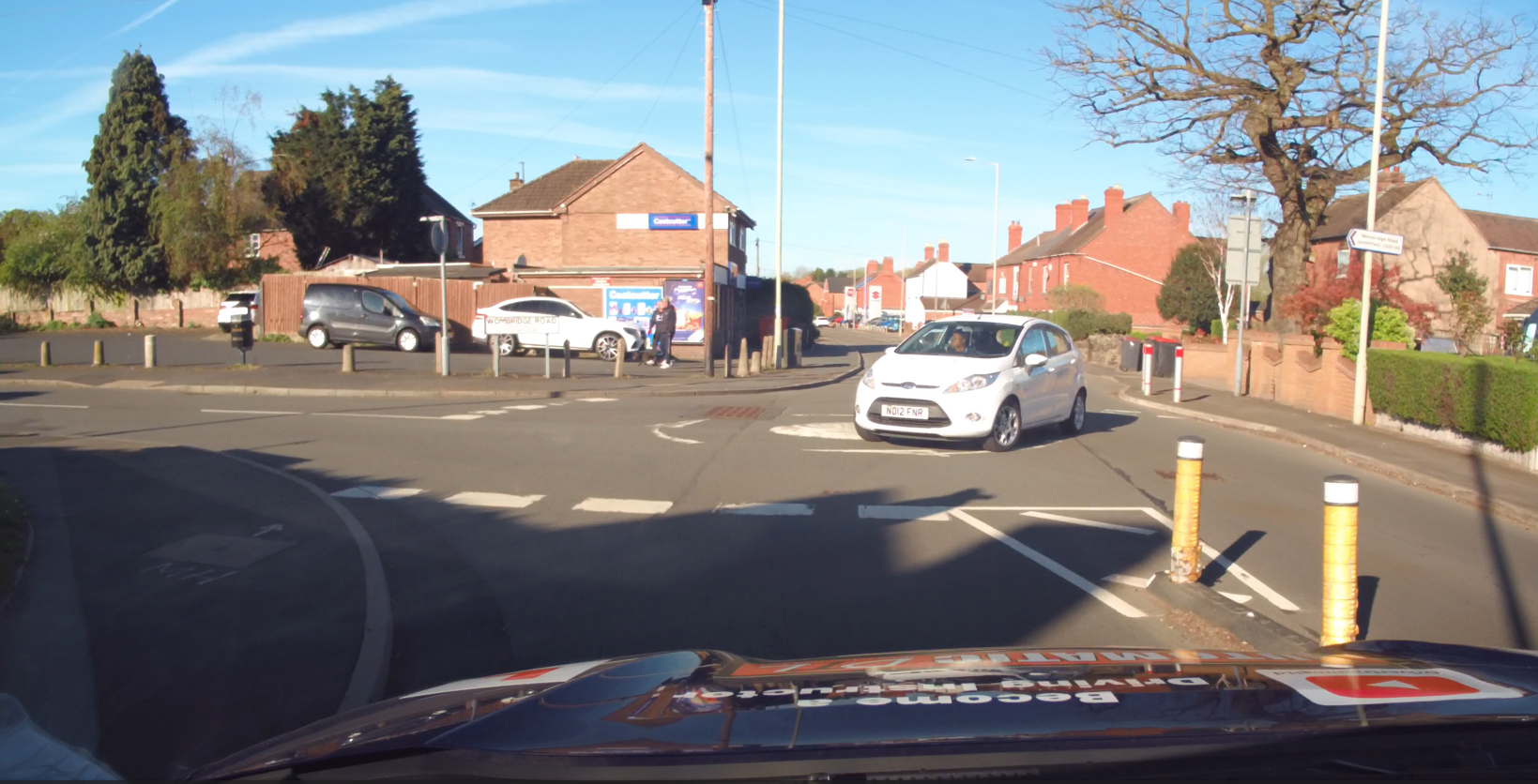
Speed → What are they preparing to do?
Speed is one of the most reliable indicators.
Slowing down → likely turning or stopping
Maintaining speed → likely continuing
Once again more caution is needed as the junction may be closed so they are slowing down but once they see its clear, they are continuing
Cars Indicators on Roundabouts
Indicators → Support, not decision
Indicators are helpful… but not always correct.
Late signals
No signals
Wrong signals
The indicator may tell you that they are going to turn - but not WHEN OR WHERE THEY ARE GOING TO TURN
So:
Don’t base your decision on the indicator alone
Instead:
Use it alongside everything else
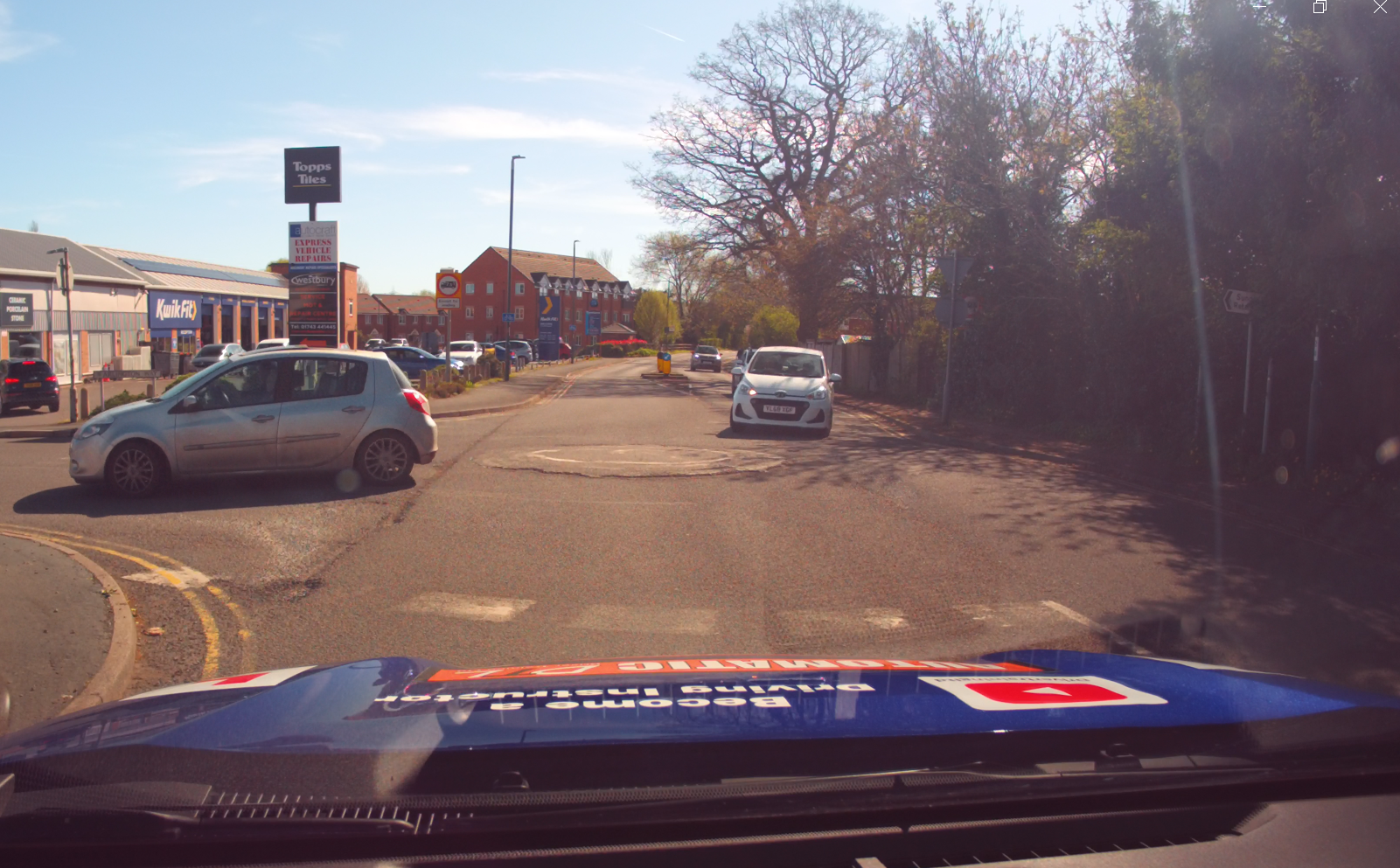
Wheel Direction of Approaching Car
Wheel direction → The early truth
This is one of the best clues along with reduced speed— and often missed.
Wheels turning left → committed to turning
Wheels straight → still undecided
Wheels turning right → clear intention
The wheels often tell you before the car moves
Large Vehicles and Mini Roundabouts
LARGER VEHICLES
Vehicles like:
Buses
Lorries
Vans
…need much more space to turn.
Because of their size and length, they often cannot follow the normal path around a mini roundabout.
What they might do
Teach your pupil to expect that larger vehicles may:
Drive over the centre of the mini roundabout
Cut across lanes
Swing wide before turning
Enter your space earlier than expected
Sometimes it can look like they are ignoring the roundabout completely—but in reality, they’re just managing their size.
Key teaching point Larger vehicles don’t just follow rules — they adapt to space. So your pupil must adapt too.
“If a large vehicle is approaching, assume it will need more space than the road appears to give.” That means:
Be prepared to wait
Don’t try to squeeze through
Give them time and room
MINI ROUNDABOUT SUMMARY - “Mini roundabouts aren’t about rules…” “They’re about reading behaviour.”
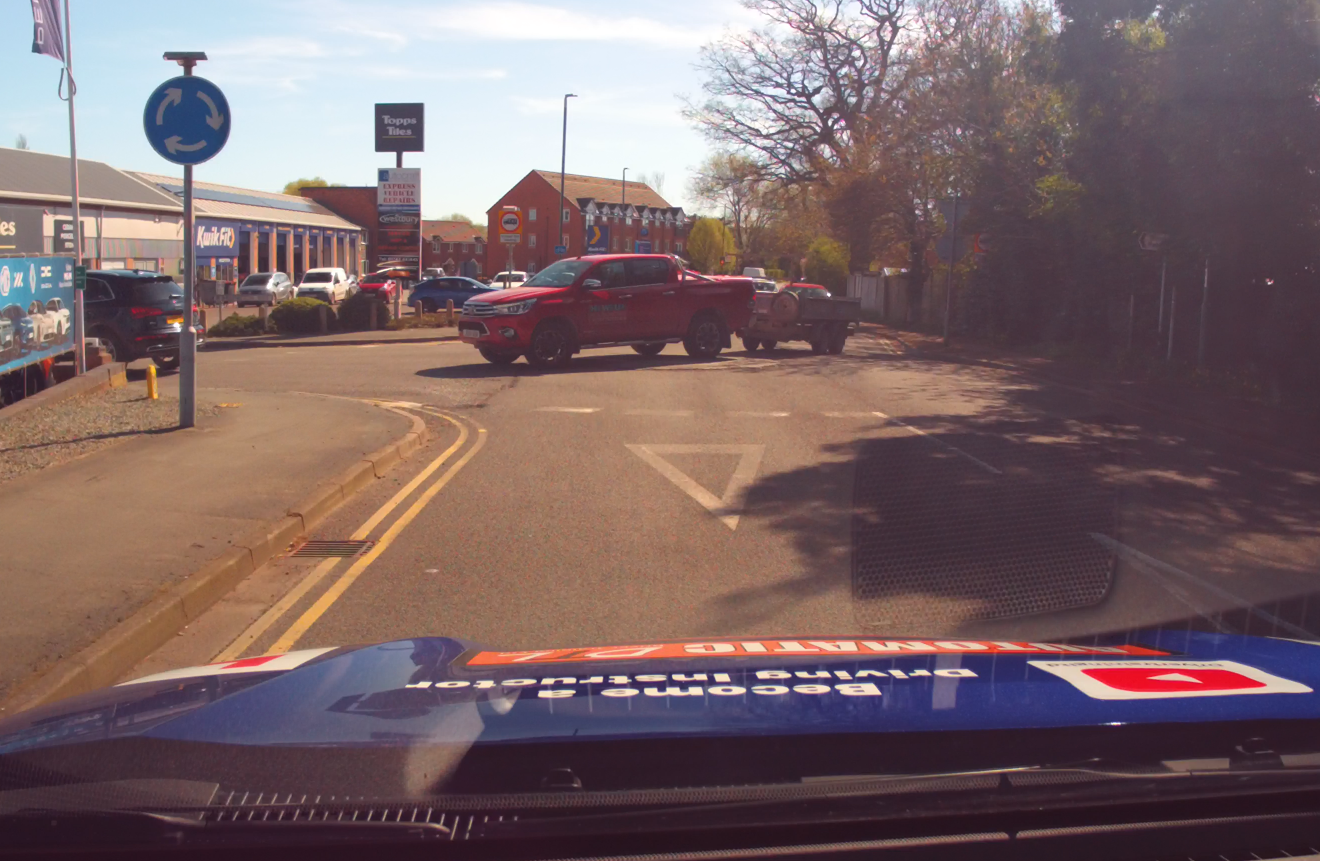

Double Mini Roundabouts
This is an Image & Text block. Click on this text to start editing and enter your own text with some basic formatting. Just click anywhere outside the text box when you're done to continue working on the rest of your page.
To change the layout and appearance of a block, such as the size of its images and columns, click on the Change Layout button on the block toolbar, to the right of each block.