Roundabout Blockers - Making Gaps easier to spot
Follow us on Youtube - Books - Online Courses
What is a Roundabout Blocker?
What Is a Roundabout Blocker?
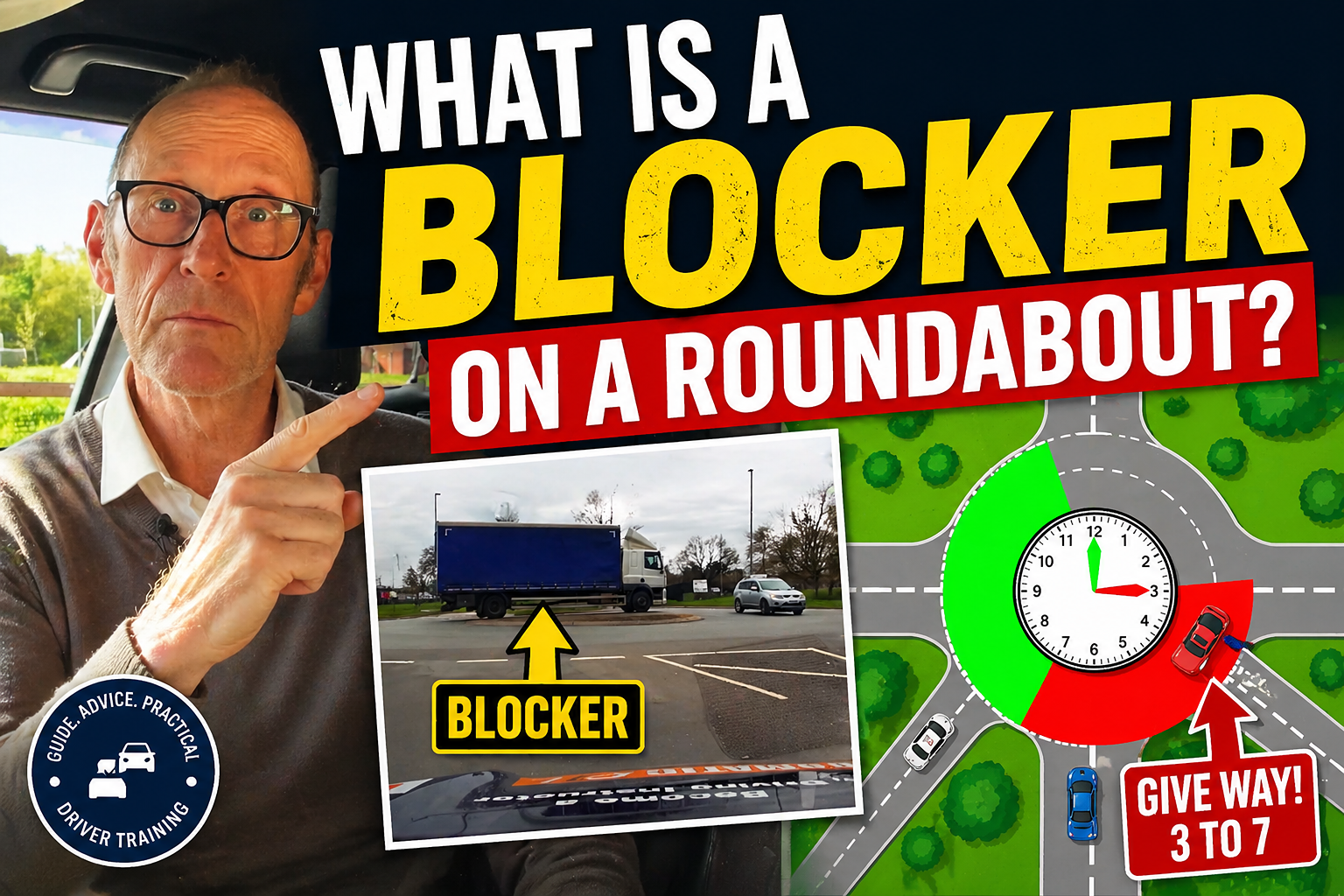
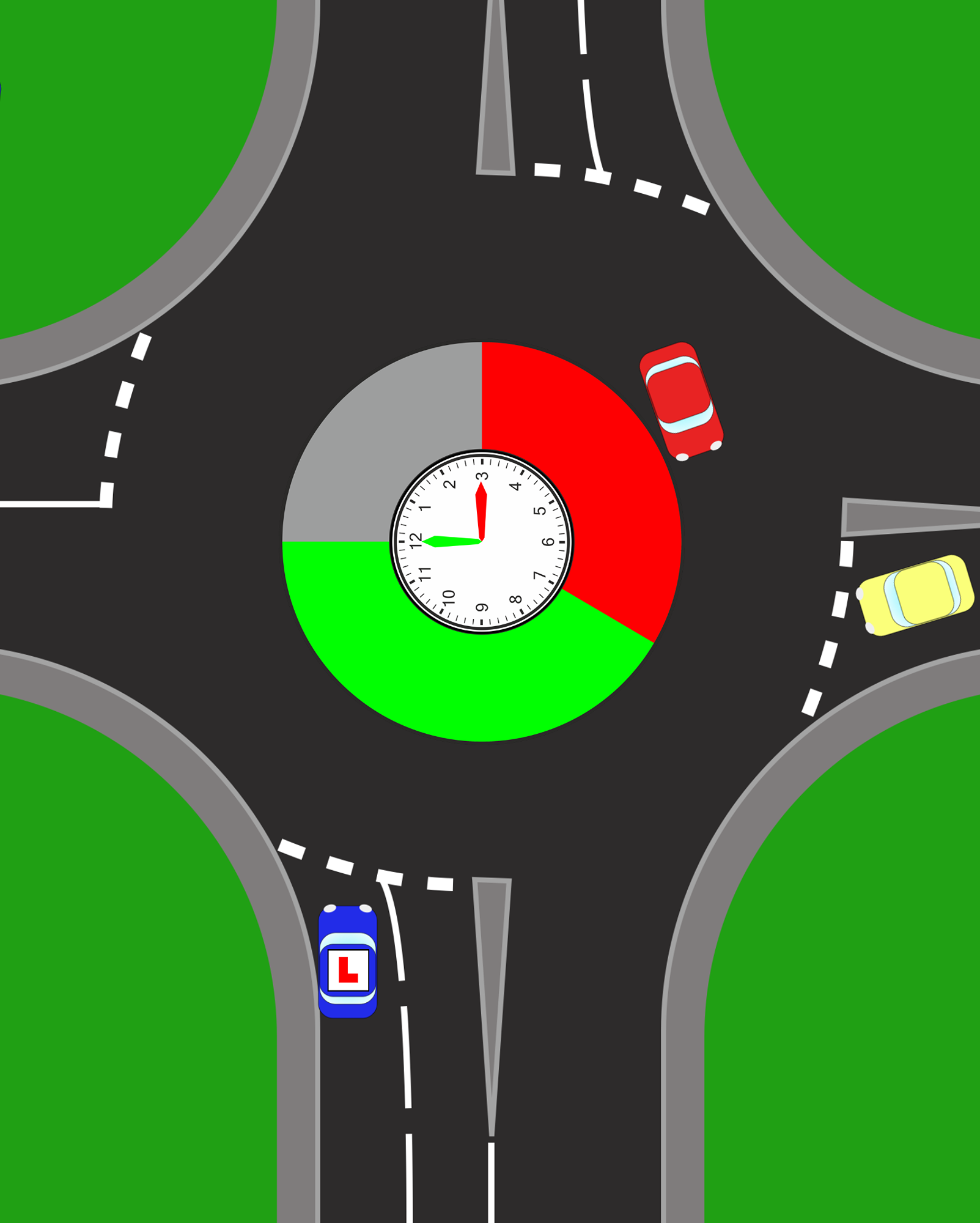
A roundabout blocker is traffic already on the roundabout that prevents other vehicles—particularly from your right—from entering.
When traffic builds up, the roundabout becomes “full”. Vehicles already circulating effectively block new vehicles from joining, and this can create a temporary gap for you to enter.
A simple way to picture it is a queue. If people are constantly walking past, you can’t step in. But if the flow slows or stops, a space appears. That’s what a blocker does.
However—and this is where many learners go wrong—a blocker does not mean “go”. It simply creates an opportunity that must still be judged safely.
How Blockers Affect Traffic From the Right
How Blockers Affect Traffic From the Right
Under normal conditions, you must give way to traffic from the right. That rule always stands.
What changes with a blocker is the flow of traffic.
If vehicles are already circulating and filling the roundabout, traffic approaching from your right may not be able to enter. This means nothing new is coming towards you for a short period of time.
This is why a gap appears.
But you are not ignoring the right—you are still checking:
Is anything already on the roundabout approaching me?
Is anything about to appear?
Could the situation change quickly?
A good way to explain it is:
The right still has priority—but at that moment, nothing new can reach you.
When a Blocker Creates a Safe Gap
Not every gap created by a blocker is safe. This is where proper judgement comes in.
A safe gap should have three key features:
Time – enough space to move off smoothly
Stability – the gap is not about to disappear
No impact – other road users will not need to brake or change direction
For example, if traffic on the roundabout is slow or stationary and nothing is approaching your entry point, this may present a safe opportunity to join.
The key question to ask is:
Will this gap still be there by the time I move?
If the answer is uncertain, it is usually best to wait.
When a Blocker Is Not Safe
When a Blocker Is Not Safe
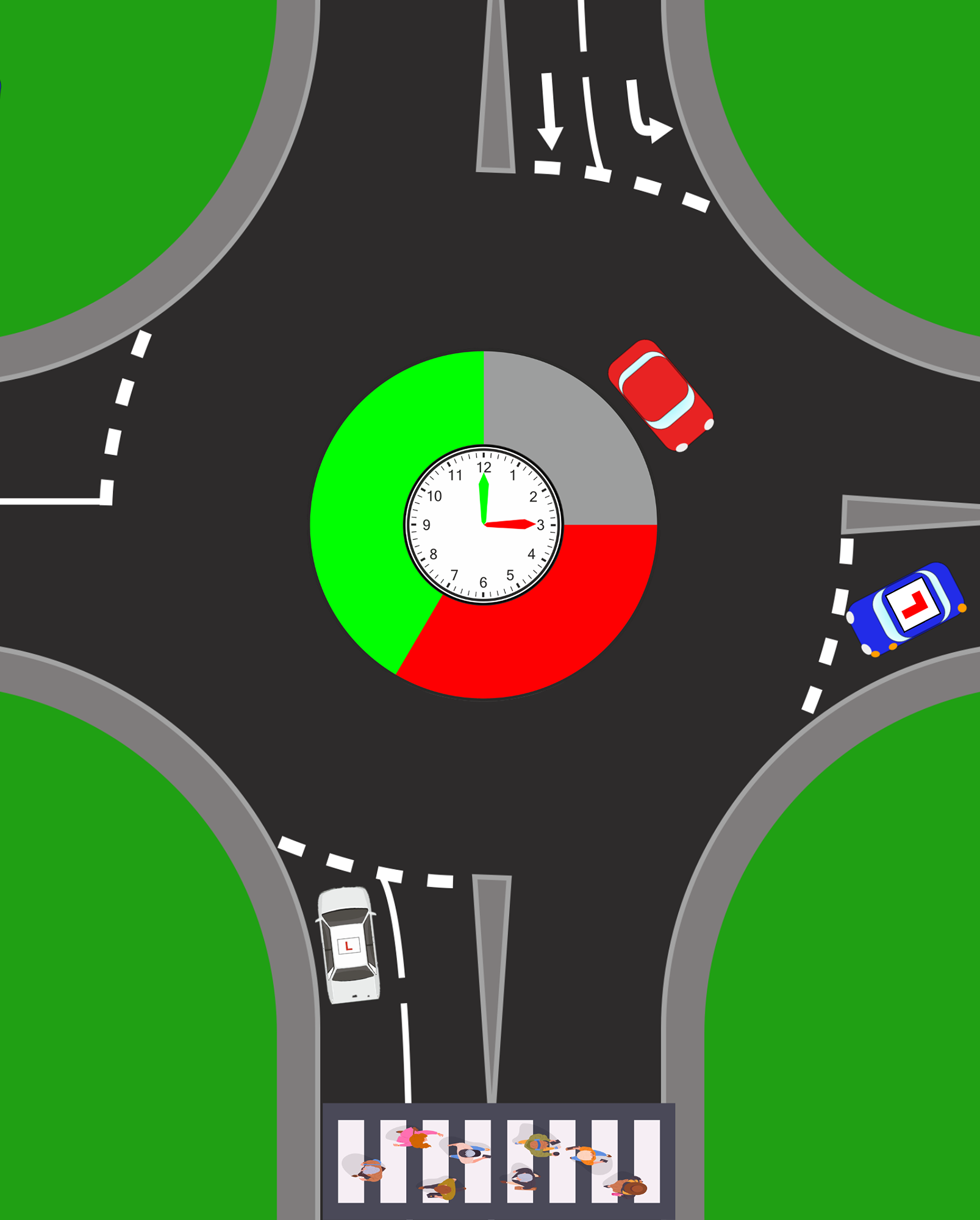
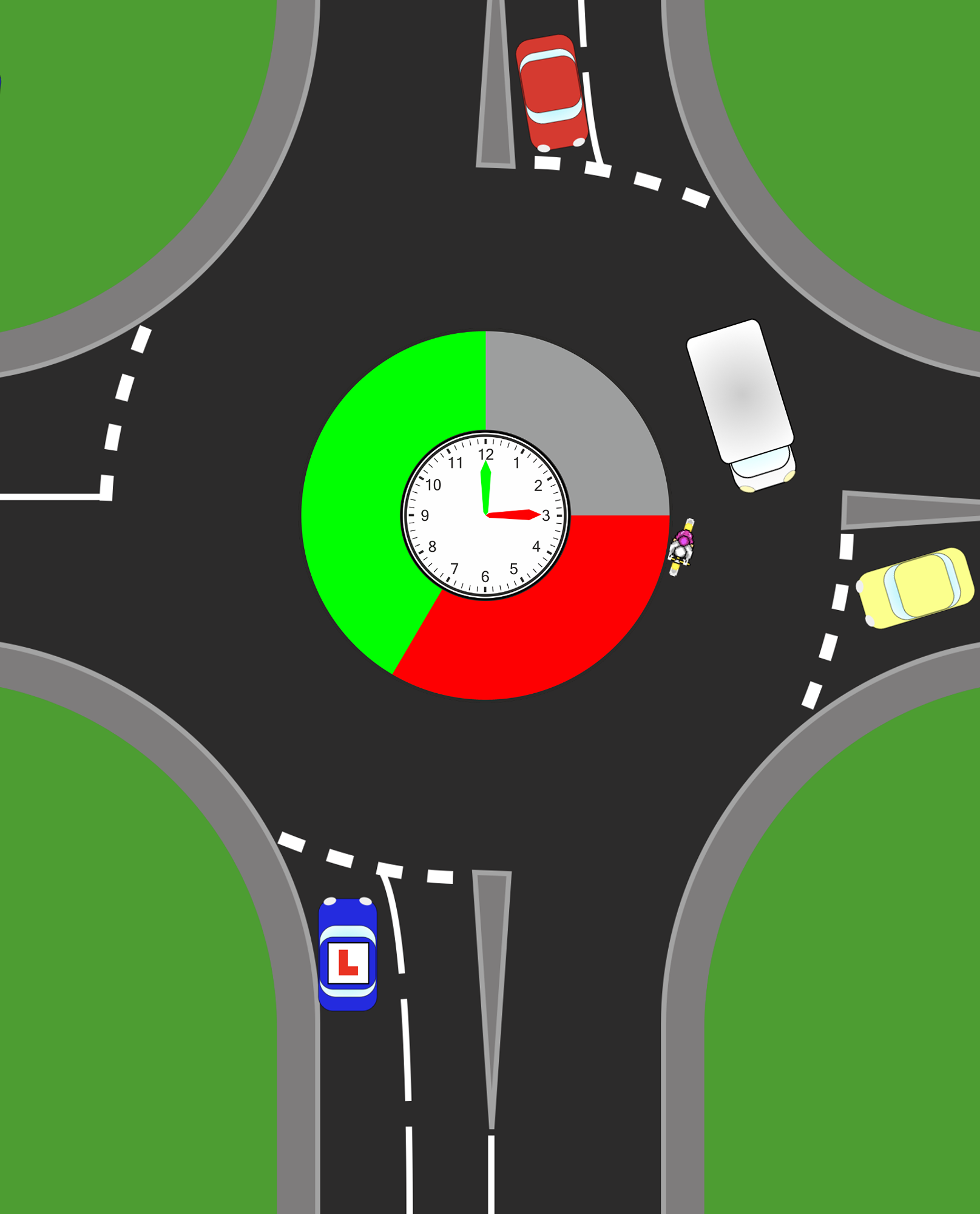
There are many situations where a blocker can mislead a driver into making a poor decision.
A gap is not safe if:
Traffic is about to move or accelerate
Vehicles are too close to your entry point
A vehicle could change lanes or exit unexpectedly
You would need to force your way in
You cannot continue moving after joining
One of the most common errors is entering too late—hesitating, then rushing into a closing gap. This often leads to poor control and increased risk.
The Biggest Mistake Learners Make
The Biggest Mistake Learners Make
The most common mistake is treating a blocker as a green light.
Learners often see traffic building up and assume they can go without fully assessing the situation. This leads to rushed decisions, late entries, and unnecessary risk.
A better approach is:
Pause → Assess → Decide → Move smoothly
Rather than reacting to the gap, you are making a considered decision based on what is happening and what is likely to happen next.
Blockers and the Roundabout Danger Zone
Blockers and the Roundabout Danger Zone
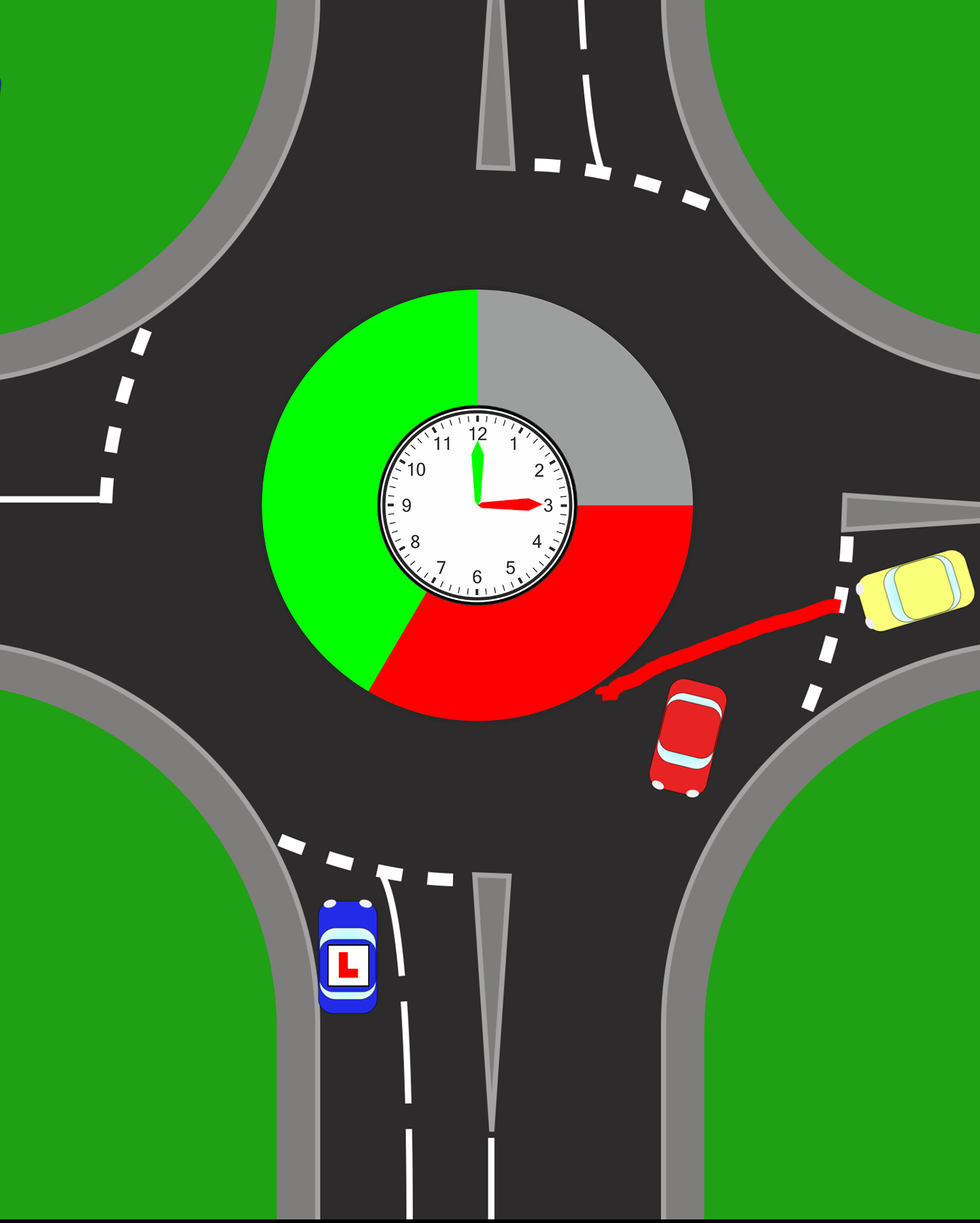
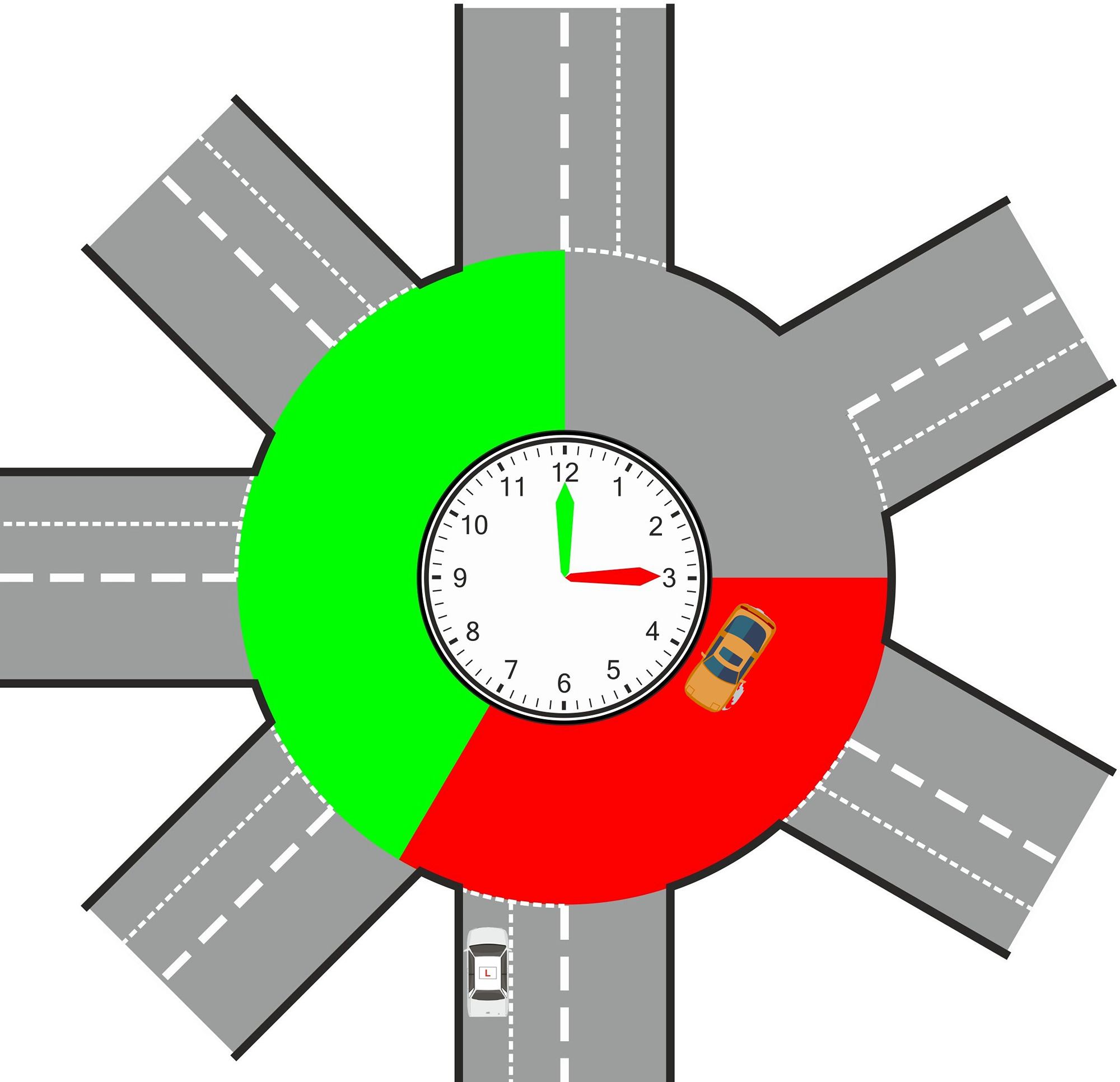
Even when traffic appears blocked, you must still consider the danger zone on the roundabout.
This is typically the area between 3 o’clock and 7 o’clock (thinking of the roundabout like a clock face). Any vehicle in this zone could affect your path.
For example:
A vehicle may still be approaching your entry point
A car could exit toward your road
Another driver may change lanes unexpectedly
So even with blockers present, you must continue to observe carefully and make a safe judgement.