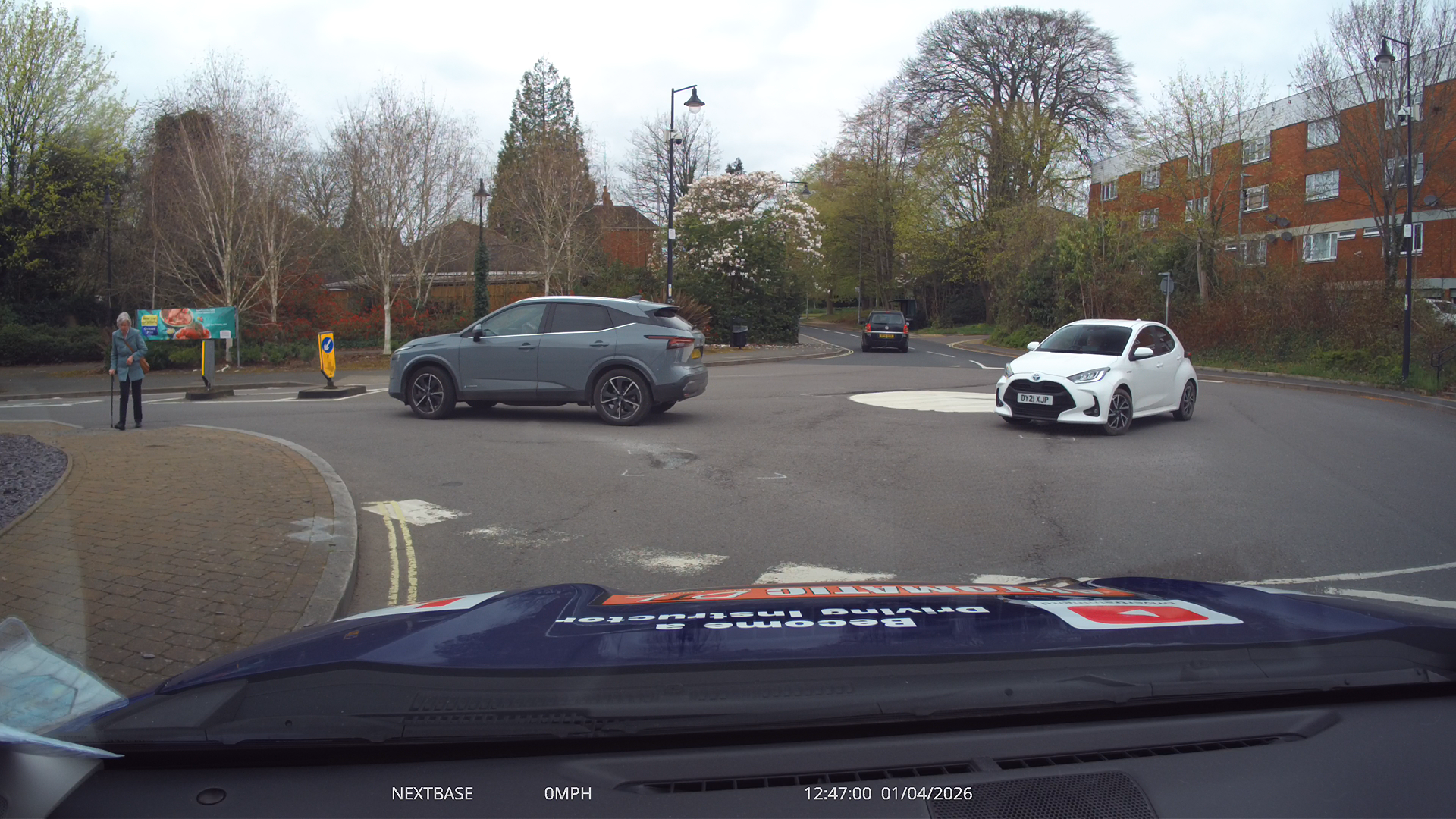
Roundabout Danger Zone Explained
Follow us on Youtube - Books - Theory Test - Online Courses - Lessons
Understanding Roundabout Danger Zone
Roundabout Danger Zones: The Simple Clock face Method Every Driver Should Know
There’s a moment every driver recognises on approach to a roundabout — that split second where you either glide in smoothly… or hesitate, unsure if it’s safe.
The difference between the two?
Understanding the danger zone.
And one of the most reliable, time-tested ways to judge it is by thinking of the roundabout as a clock.


Roundabout Danger zone explained
Start With a Simple Picture: You’re at Six O'clock
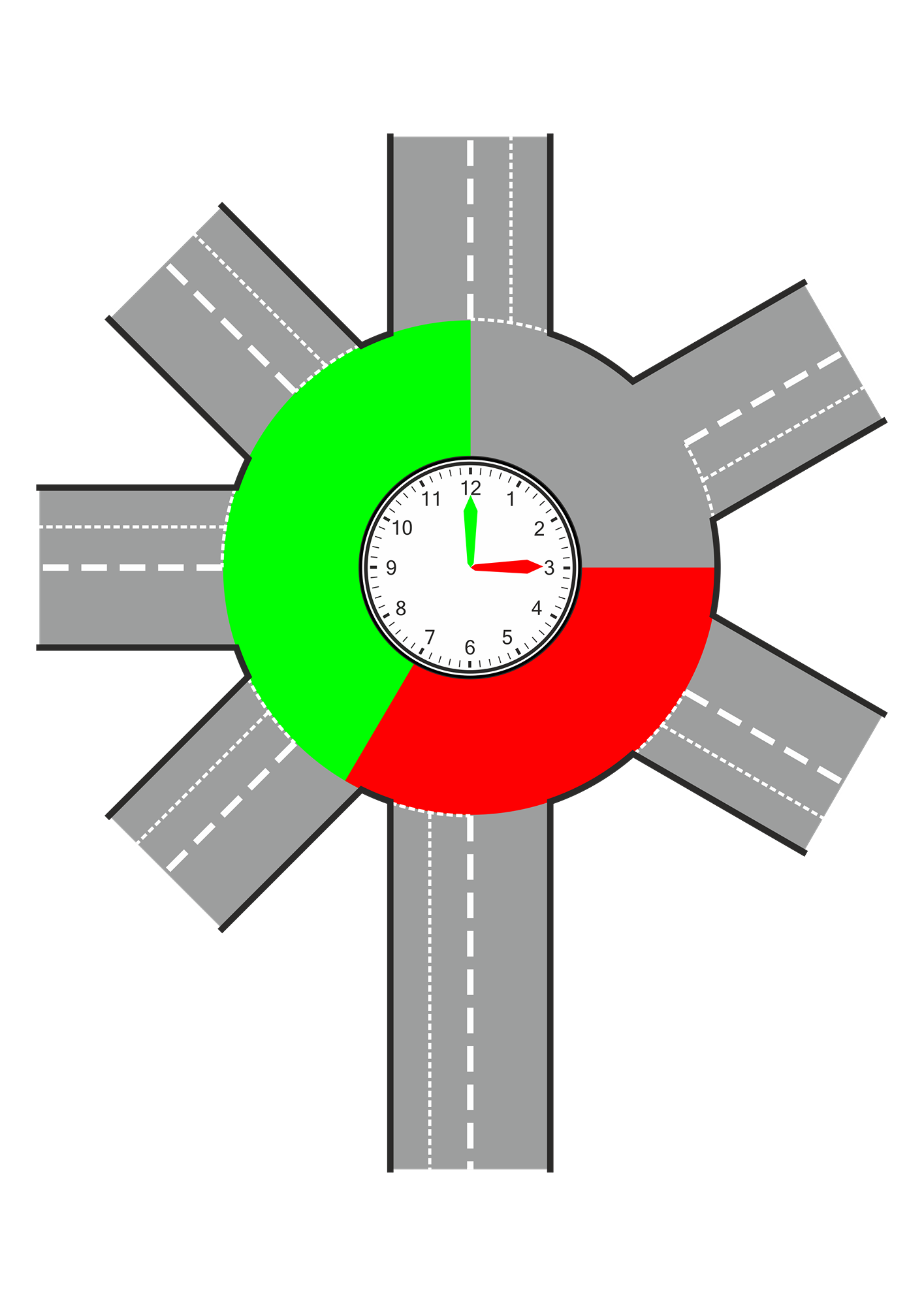
Imagine the roundabout as a clock face.
You approach from 6 o’clock
Traffic flows clockwise (UK roads, of course)
Vehicles already on the roundabout move from your right to left
Now here’s the key principle:
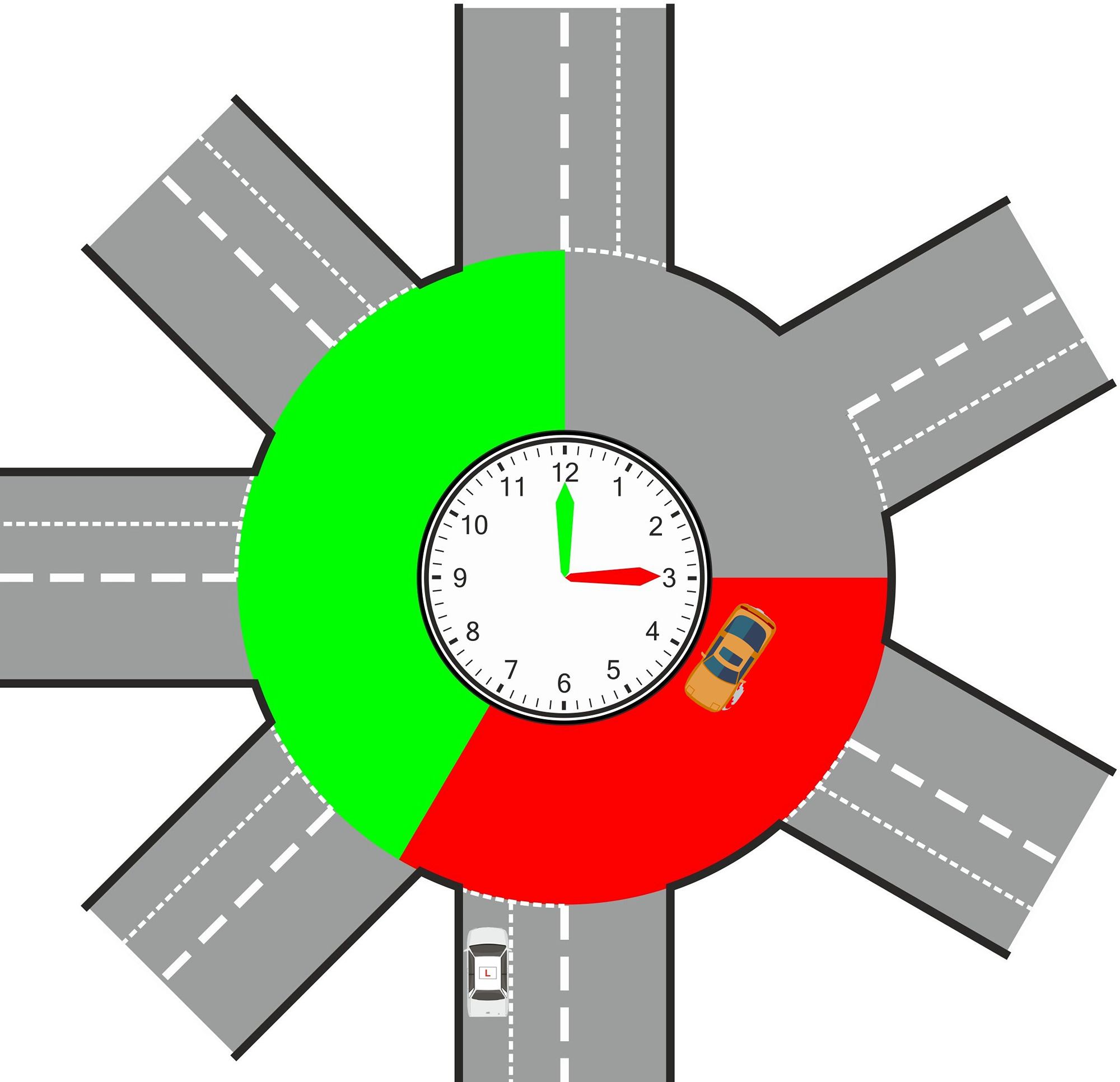
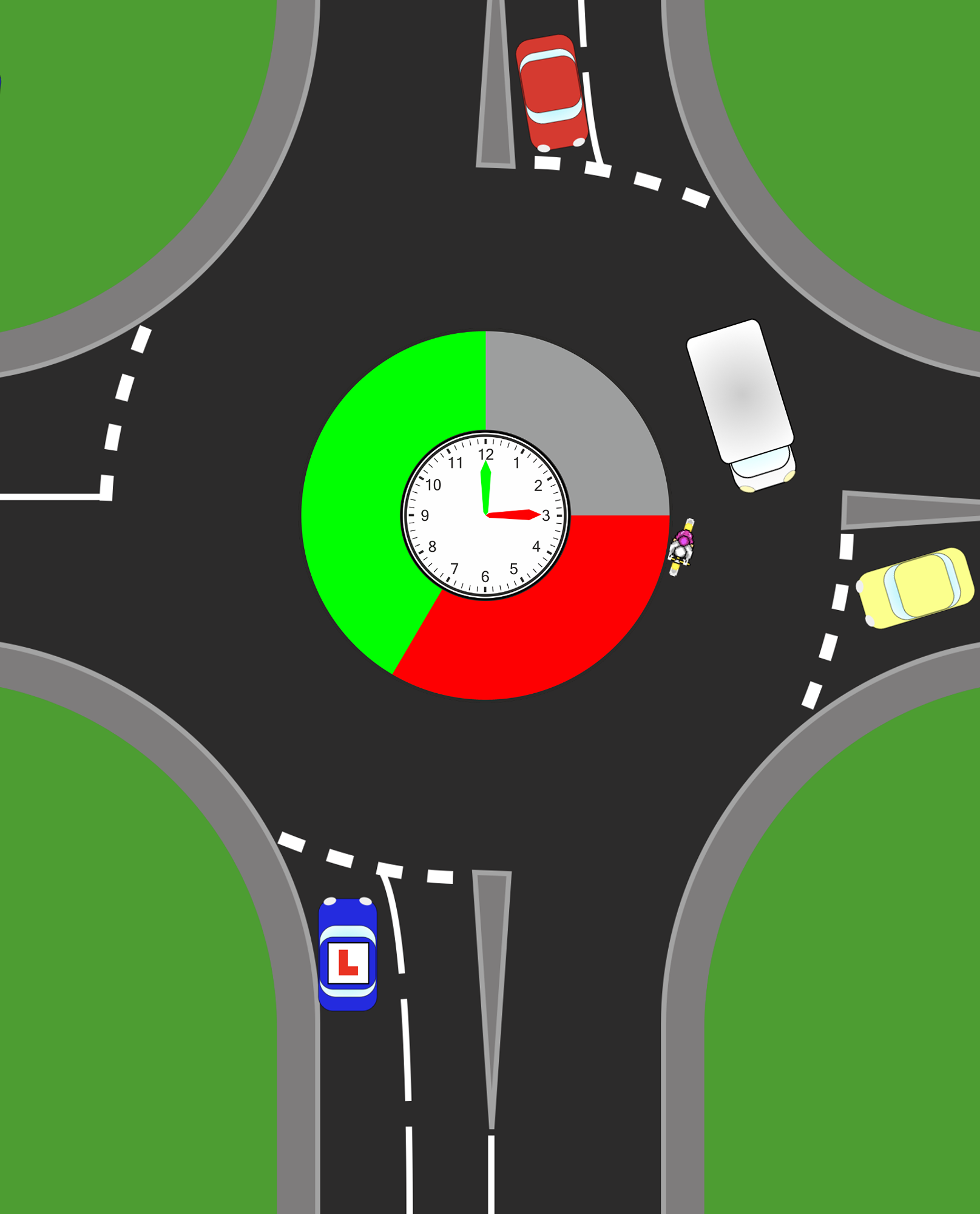
If a vehicle is between 3 o’clock and 7 o’clock, it’s in your danger zone.
Danger Zone - When its NOT safe to go
The Danger Zone Explained (3 to 7)
Think of this zone as the “conflict area.”
3 o’clock → vehicles just entering your path from the right
5–6 o’clock → directly crossing in front of you
7 o’clock → just leaving your path, but still a potential risk
If a vehicle is anywhere in this arc, you must give way.
Why?
Because their path moves across yours. Move at the wrong time and you’re forcing them to brake — or worse.
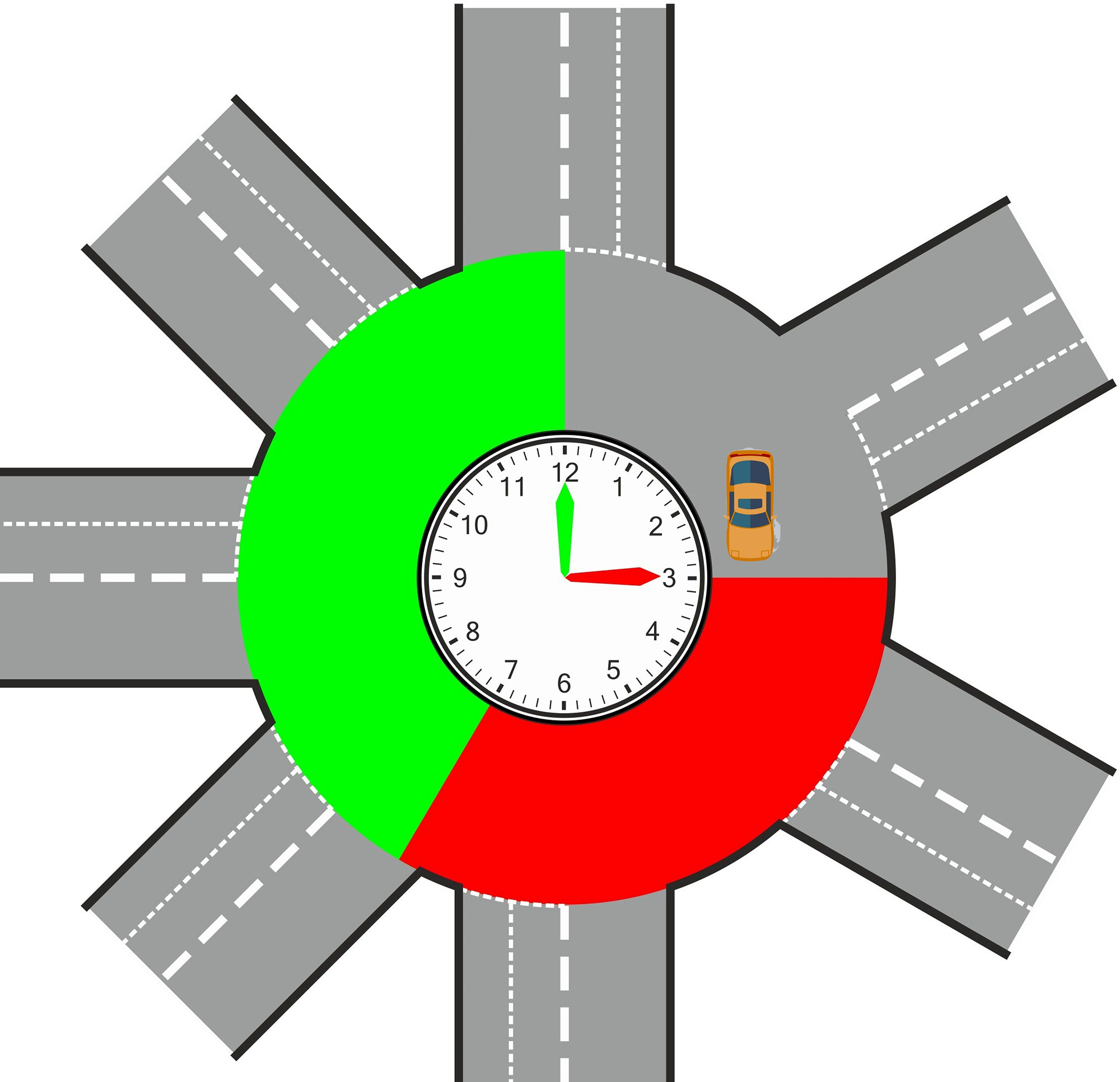
When it may be safe to go
When It’s Generally Safe to Go
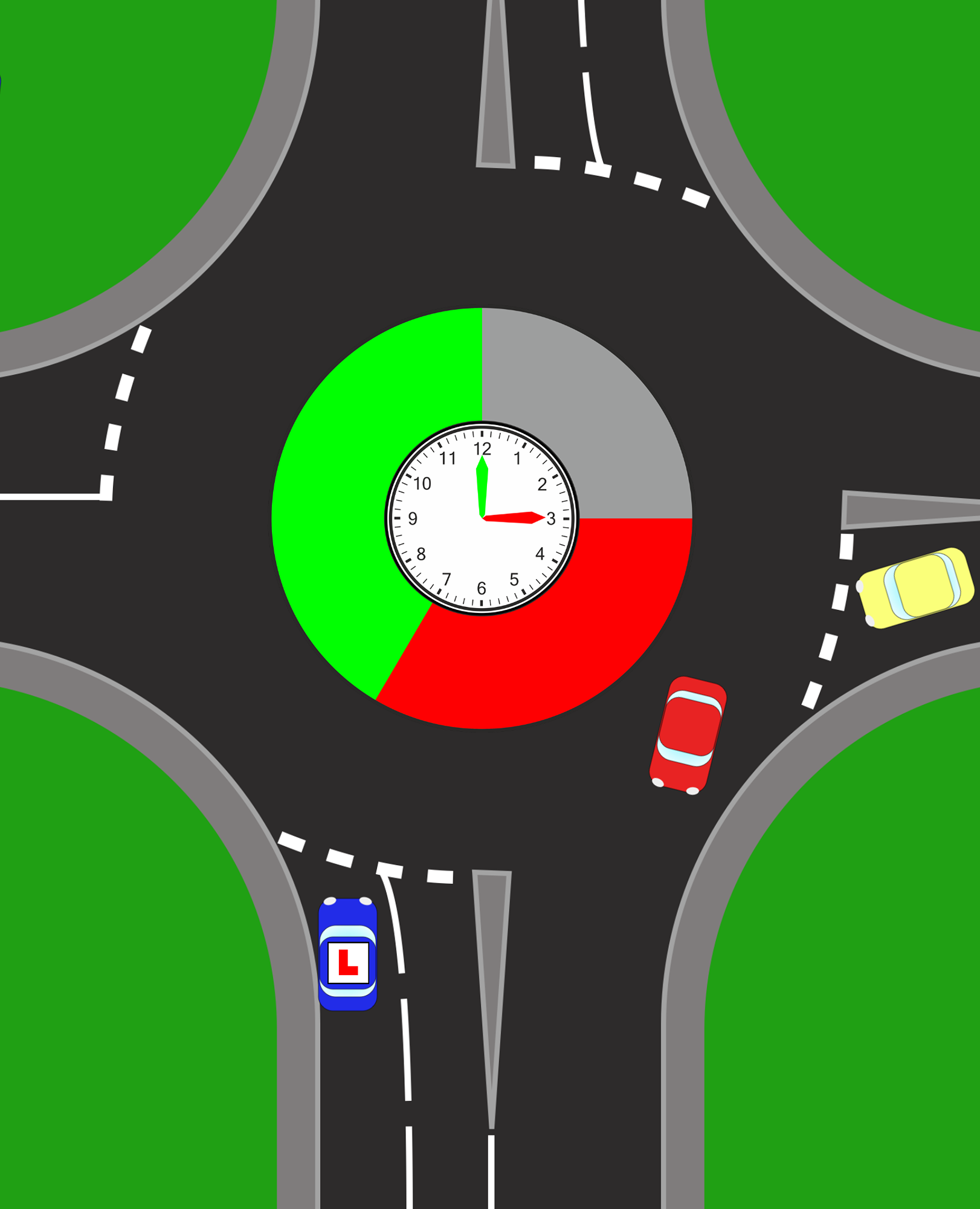
Now look slightly earlier in the clock.
If a vehicle is before 3 o’clock, two things are usually true:
They’re still approaching the roundabout
They haven’t yet committed to crossing your path
In most cases, that gives you time to enter safely.
But — and this is where good drivers separate themselves — you don’t rely on position alone.
This Is Where “Blockers” Come In
A blocker is a vehicle that prevents other traffic from reaching you.
Picture this:
A car is sitting around 3–4 o’clock — normally your danger zone
But another vehicle is passing in front of it, physically blocking its path
That “blocker” can create a safe opportunity.
However — and this is crucial — not all blockers are equal.
A good driver asks:
Is the blocker actually stopping them reaching me?
Or could the vehicle still move through the gap?
This is where experience, observation, and judgement come together.
Danger Zones and Behaviour
Clock face + Behaviour
The clockface gives you structure.
But driving is never just about structure.
You must layer it with observation:
Speed → Are they slowing or maintaining pace?
Position → Are they committed to the roundabout?
Signals → Helpful, but never decisive on their own
Wheel direction → Often reveals intent before anything else
In other words:
Don’t just read the clock. Read the car.
Roundabout Danger Zones Explained
Roundabouts aren’t about guessing.
They’re about timing.
And timing comes from knowing two things:
Where the risk is (3 to 7)
What other vehicles are actually doing
Get those right, and roundabouts stop being stressful — and start becoming one of the smoothest parts of your drive.